Everything You Need to Know Before Selecting Your Next Cotton Fitted Sheet
Sep 15, 2026
Start With the Mattress Before Choosing a Cotton Fitted Sheet
Choosing a cotton fitted sheet sounds simple until you start comparing fabric construction, pocket depth, thread count, finishing and care requirements. A cotton fitted sheet needs to do two jobs at the same time: provide a comfortable surface for sleeping and stay securely around the mattress during everyday use. The first practical step is therefore to measure the mattress rather than choosing a cotton fitted sheet based only on the bed size printed on the package. Mattress thickness can vary considerably, particularly when pillow-top, hybrid or memory foam mattresses are involved. A cotton fitted sheet with insufficient pocket depth may pull away from the corners, while an overly loose fit can create unwanted folds. HONI's sheet range includes products designed with specific mattress-fitting features. Its 340TC 100% cotton satin stripe sheet set, for example, uses a 35cm deep pocket and elasticized corners to accommodate thicker mattresses while maintaining a secure fit. That kind of specification is much more useful than simply calling a cotton fitted sheet “premium.” Buyers should check mattress length, width, depth and the actual pocket construction before making a decision.
Cotton Fiber and Weave Affect Everyday Comfort
Not every cotton fitted sheet feels the same. Fiber quality, yarn construction, weave and finishing all influence the final hand feel. Long-staple cotton is often selected for premium bedding because longer fibers can be spun into smoother, more consistent yarns. HONI's long-staple cotton sheet and duvet products are designed around this principle, combining natural cotton fibers with constructions intended to balance softness, breathability and durability. Weave also changes the character of a cotton fitted sheet. Percale is commonly associated with a crisp, lightweight feel, while sateen generally feels smoother and has a more lustrous surface. A satin-stripe construction can add subtle visual detail without introducing a strong pattern. HONI's 340TC cotton satin stripe sheet set uses a fine stripe texture and solid colors, making it suitable for buyers who want a clean, hotel-inspired appearance. The important point is that thread count should not be treated as the only measure of quality. Fiber length, yarn quality, weave, finishing and construction need to be considered together.
Think About Climate and Sleeping Habits
A cotton fitted sheet is often chosen because cotton is familiar, versatile and naturally breathable, but comfort still depends on the environment. Someone living in a humid climate may prioritize airflow and moisture management, while someone in a cooler region may prefer a denser or brushed surface. A recent systematic review of bedding and sleepwear research found that bedding fiber type can influence thermal comfort through interaction with skin and body temperature, but the evidence does not support a simple claim that one fiber automatically produces better sleep for everyone. HONI's product range illustrates why different constructions exist. Its 80gsm brushed cooling sheet set is designed around lightweight construction, moisture management and a soft brushed surface, making it particularly relevant for hot sleepers and warmer environments. By comparison, the 340TC cotton satin stripe sheet set focuses more on a dense cotton construction and refined hotel-style appearance. The right cotton fitted sheet should therefore be selected according to the sleeper, climate and mattress rather than according to a universal definition of “best.”
Look Beyond Softness When Evaluating Quality
Softness is easy to notice when a cotton fitted sheet is new, but long-term performance is more difficult to judge. For buyers, especially those purchasing bedding in bulk, it is useful to ask how the fabric is expected to behave after repeated washing. Shrinkage, color stability, pilling, seam strength and elastic recovery can all influence the useful life of a fitted sheet. HONI's cotton products include different approaches to durability and easy care. Its yarn-dyed waffle bedding uses pre-dyed yarns and is described as colorfast and machine washable, while its washed cotton bedding uses a pre-washed finish and dense edge stitching. Certification can also be relevant when the sheet has direct skin contact. OEKO-TEX STANDARD 100 explains that bed linen falls within its direct-skin-contact product class and that certified products are tested against a broad list of harmful substances under defined limit values. This does not mean a certification replaces all quality checks. Buyers should still confirm composition, construction, testing scope, labeling and care instructions for the exact product being purchased.
Make the Cotton Fitted Sheet Part of a Complete Bedding Plan
The most useful way to select a cotton fitted sheet is to consider it together with the rest of the bedding. A sheet that feels excellent on its own may not create the desired bedroom atmosphere if its color, texture or weight conflicts with the duvet cover and pillowcases. HONI's coordinated bedding products demonstrate how sheets can be developed as part of a complete set. Its cotton waffle duvet set can include a fitted or flat sheet and matching pillow shams, depending on the configuration, while its cotton satin stripe sheet set is offered with fitted and flat sheet components and pillowcases according to size. In a practical product-selection case, a retailer may begin with a neutral cotton fitted sheet and then build several collections around it by changing duvet covers, quilts or cushion covers. This makes the core bedding easier to merchandise across different bedroom styles. For consumers, the same strategy keeps the bedroom flexible without requiring every bedding piece to match perfectly. A well-selected cotton fitted sheet should fit securely, feel comfortable against the skin, suit the local climate, tolerate the intended care routine and coordinate naturally with the rest of the bedding. That combination is much more meaningful than choosing a sheet based on one specification alone.
Latest News
Stay informed with our recent updates, events and important announcements.
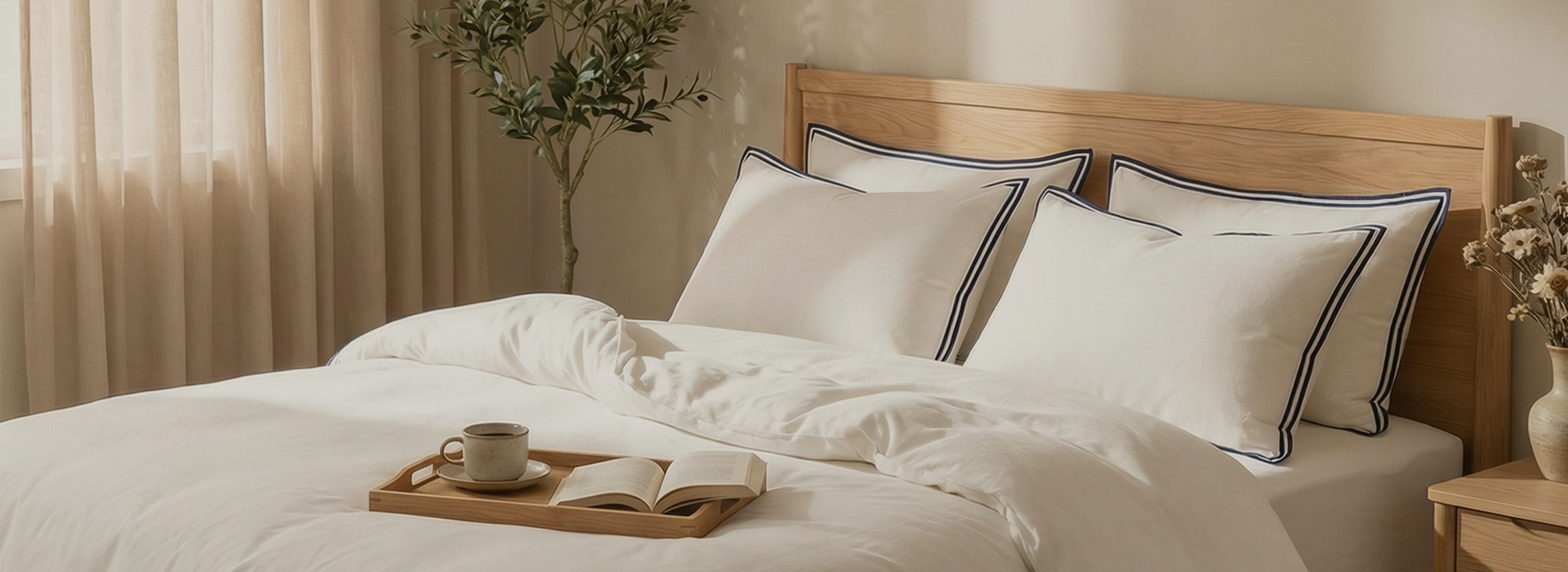
Oct 18, 2026
The Complete Guide to Choosing the Best Bedroom Bedding for Your Bedroom
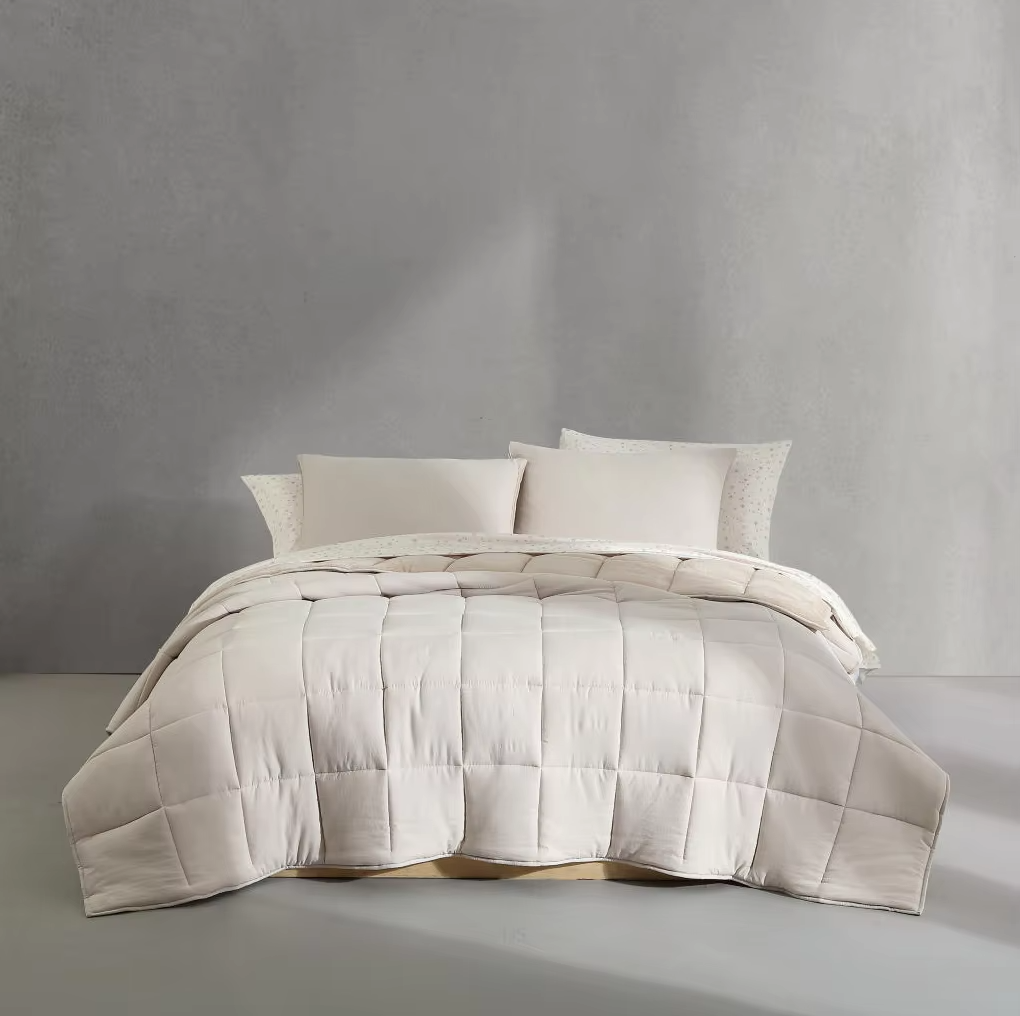
Oct 15, 2026
How to Style Your Bed Sham for a Modern and Elegant Look
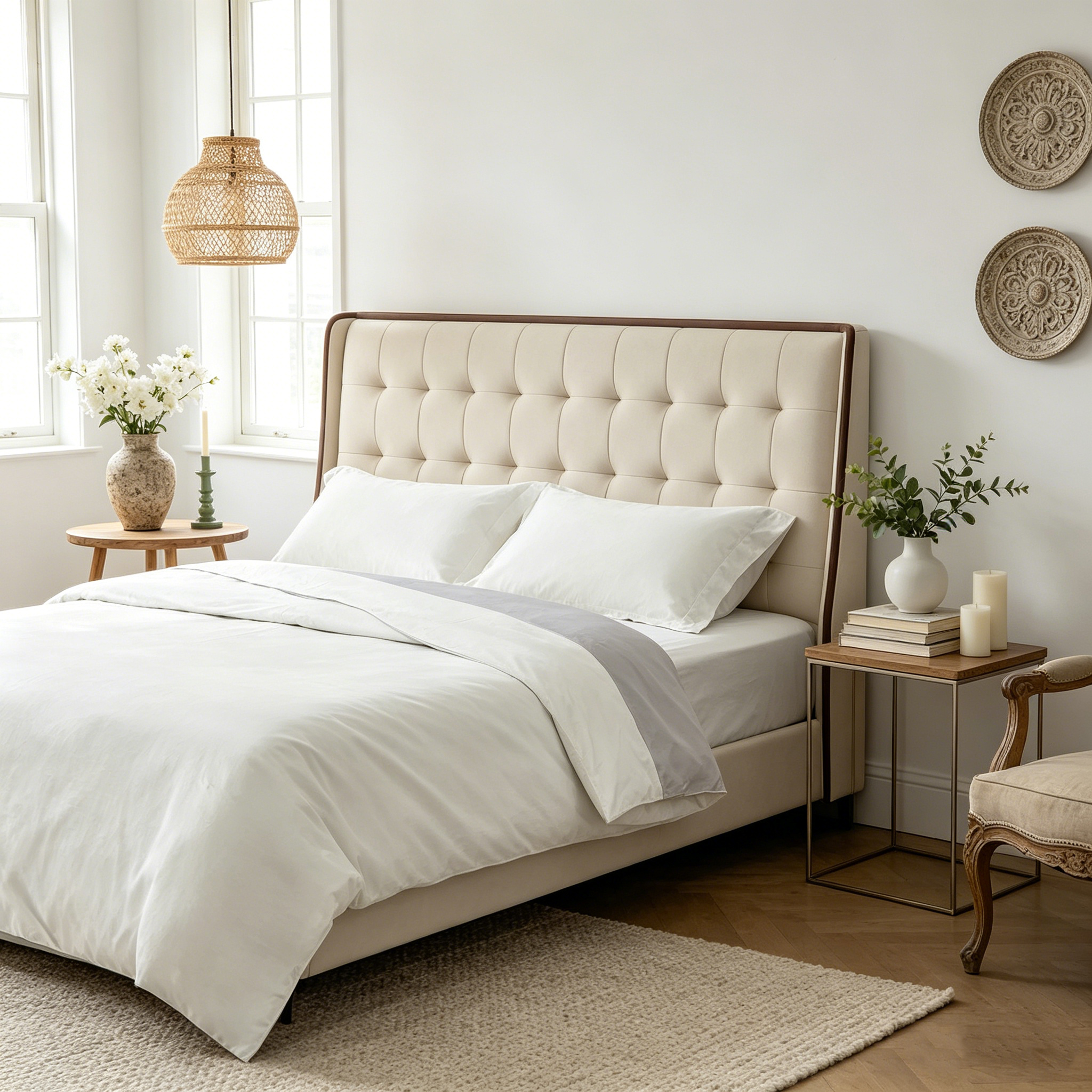
Oct 09, 2026
The Complete Guide to Choosing the Best Bamboo Bedding Set for Your Bedroom
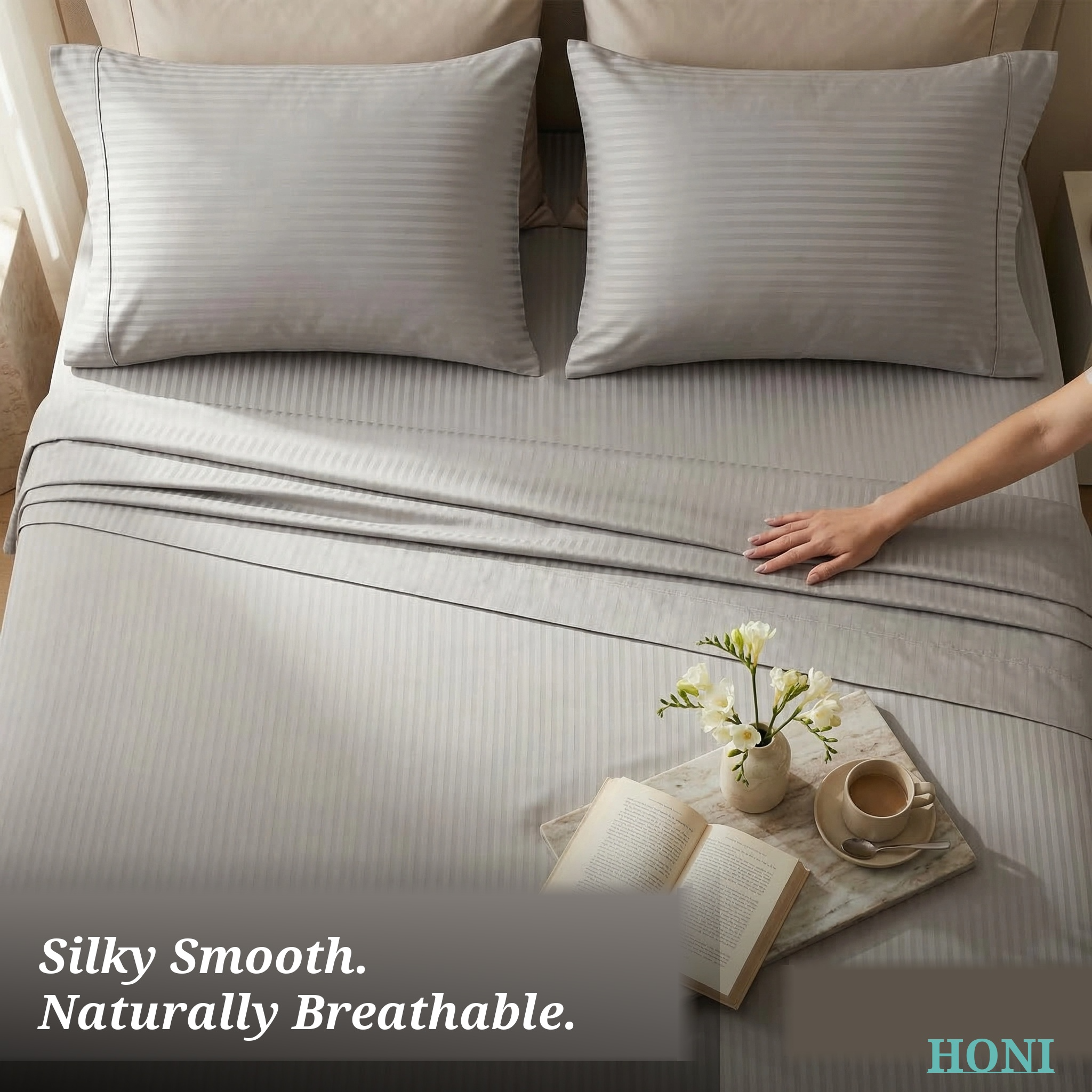
Sep 26, 2026