Essential Care Tips to Keep Your Flannel Sheets Soft and Durable
May 14, 2026
Flannel sheets, renowned for their outstanding softness, warmth and comfort, have gained worldwide popularity and are highly favored. Whether in luxurious mansions, boutique hotels, or upscale hospitality venues, high-quality flannel bedding can create a warm and comfortable sleeping experience; with proper care, their comfort level will be further enhanced.
HONI focuses on the high-end home textile sector, offering a wide range of high-quality products, including complete bedding sets and custom curtains. By integrating advanced automation technology with strict quality control systems, we strive to provide textile solutions that are both innovative and reliable for the global market. Mastering the correct care methods for flannel sheets is crucial; only in this way can the original soft texture, durability, and elegant appearance of the sheets be maintained for a long time.
In this guide, we will delve into the best care methods for flannel sheets, covering washing techniques, drying tips, storage suggestions, and the common pitfalls that should be avoided. By following the correct maintenance procedures, your high-quality flannel bedding will be able to withstand the test of time and still retain its luxurious texture and durability.
Understanding Why Flannel Requires Special Care
Flannel is a soft, woven fabric, usually made of cotton, wool or synthetic fibers. The distinctive feature of flannel lies in its brushed surface; this process creates fine fibers on the fabric, which not only effectively retains heat but also provides a plush and soft touch. Due to its meticulous surface treatment, improper washing or drying methods may damage the fibers, resulting in pilling, shrinking, or loss of the original softness.
High-quality flannel sheet is supposed to become softer with each wash. However, this can only be achieved when proper care is provided. Properly maintaining the integrity of the fabric not only helps to preserve its comfort and appearance but also effectively extends the product's lifespan.
Wash Flannel Sheets Before First Use
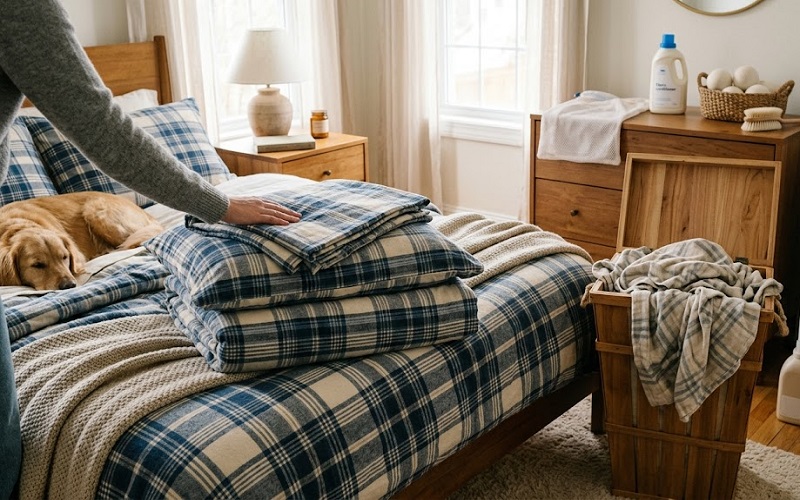
Before using new flannel bed sheets, it is recommended to wash them first. The first wash helps remove the residues left during the manufacturing process, softens the fibers, and helps stabilize the fabric structure.
When performing the first cleaning, please follow the following suggestions:
-
Use cold water or warm water
-
Choose a gentle washing mode
-
Add a mild detergent without harsh chemicals
-
Do not use fabric softener for the first wash
Some textile experts also suggest adding half a cup of white vinegar during the rinsing process. Vinegar helps reduce the accumulation of fuzz and can naturally soften the fibers without leaving any chemical residues.
Choose the Right Water Temperature
Water temperature is of vital importance for maintaining the quality of the flannel. Hot water may weaken the fiber strength and increase the risk of shrinking, especially for cotton felt products.
Usually, the best choice is:
-
Use cold water for daily cleaning
-
Lukewarm water for heavily used sheets
-
Avoid high-temperature washing whenever possible
Using water at a lower temperature for cleaning not only protects the fabric, but also helps maintain the color vibrancy and reduces energy consumption.
Use Mild and Gentle Detergents
Strong detergents containing bleach, powerful enzymes or whitening agents may damage the fluffy texture on the surface of the flannel. Over time, these strong chemical cleaning components will destroy the unique soft texture of the flannel, making it no longer comfortable and pleasant to the touch.
To achieve the best care results, please follow the following suggestions:
-
Choose mild liquid detergent
-
Avoid using chlorine-based bleach
-
Use products designed for delicate fabrics
-
Limit the amount of detergent to prevent residue buildup
Excessive detergent can easily remain inside the fibers, causing the bed sheet to lose its original soft texture and become stiff instead.
Avoid Fabric Softeners
Although fabric softeners are often used on bedding, they are not always suitable for flannel sheets. Many softeners leave a layer of chemical residue on the fabric surface, which not only reduces the fabric's breathability but also gradually weakens its unique fluffy texture over time.
Rather than using commercially available fabric softeners, you might consider the following natural alternatives:
-
Add white vinegar during the rinsing stage
-
Use wool drying balls during the drying process
-
Proper low-heat drying techniques
These methods help to maintain the softness of the fabric in a natural way, and at the same time prevent chemical residues from accumulating on the surface of the fabric.
Wash Separately from Heavy Fabrics
Ideally, the flannel sheets should be washed separately to avoid mixing them with towels, jeans, or heavy clothing. The rough fabric will rub against itself during the washing process, causing pilling and wear.
The best washing tips include:
-
Wash flannel with similar soft fabrics
-
Avoid overloading the washing machine
-
Separate dark and light colors
-
Use a gentle or delicate cycle
Reserving sufficient space inside the washing machine allows the bed sheet to freely flip, thereby reducing the pressure on the fabric fibers.
Prevent Pilling Effectively
Pilling refers to the small fiber balls that may appear on the surface of the fabric after repeated use. Although for velvet-textured fabrics, a certain degree of ball formation is a normal phenomenon, it can be significantly reduced through appropriate care.
To reduce the occurrence of pilling, the following measures are recommended:
-
Wash sheets inside out
-
Use gentle wash cycles
-
Avoid excessive heat
-
Do not overcrowd the washer or dryer
-
Remove sheets promptly after drying
Generally speaking, the high-quality flannel made from long-staple cotton fibers has a better anti-tangle performance compared to lower-grade materials.
Dry Flannel Sheets Properly
Drying is one of the most crucial steps in maintaining the softness and durability of the flannel. If the drying machine's temperature is too high, it will cause the fabric to shrink, damage the fibers, and make the texture rough.
The best drying methods include:
Low-Heat Machine Drying: Use a low or medium heat setting and remove sheets while they are slightly damp. Overdrying causes unnecessary stress on the fibers.
Air Drying: Whenever possible, air drying is one of the gentlest options for flannel bedding. Hanging sheets indoors or outdoors allows the fibers to maintain their natural softness.
Use Dryer Balls: Wool dryer balls help improve airflow, reduce drying time, and naturally soften the fabric without chemicals.
Remove Sheets Promptly After Drying
If the flannel sheet is left in the dryer for a long time, it will not only cause wrinkles but also subject the fabric to unnecessary excessive heat. Removing it in time helps maintain the smoothness, flatness and soft texture of the fabric.
After drying:
-
Fold sheets immediately
-
Smooth wrinkles by hand
-
Store in a cool, dry place
Proper handling after drying contributes to a more polished and luxurious bedding presentation.
Store Flannel Sheets Correctly
Storage conditions affect the longevity of flannel bedding. Humidity, dust, and improper folding can damage fibers over time.
For best storage results:
-
Keep sheets in breathable cotton storage bags
-
Avoid plastic containers that trap moisture
-
Store in cool, dry areas
-
Ensure sheets are fully dry before storage
Some homeowners also place lavender sachets or cedar inserts nearby to maintain freshness naturally.
Rotate Bedding Sets Regularly
Using the same flannel sheets continuously accelerates wear. Rotating between multiple bedding sets allows each set to rest between washes, reducing stress on the fibers.
Benefits of rotation include:
-
Longer product lifespan
-
More consistent softness
-
Reduced fading and wear
-
Better hygiene management
For hotels and hospitality businesses, maintaining a proper linen rotation system is especially important for preserving premium bedding quality.
Handle Stains Carefully
Flannel requires gentle stain treatment to avoid damaging the brushed surface. Rubbing aggressively can flatten fibers and create uneven texture.
For stain removal:
-
Treat stains immediately
-
Blot rather than scrub
-
Use mild stain removers
-
Test cleaning products on a small area first
Natural stain treatments, such as baking soda or diluted vinegar, can often clean effectively without harsh chemical exposure.
Understand the Importance of Quality Manufacturing
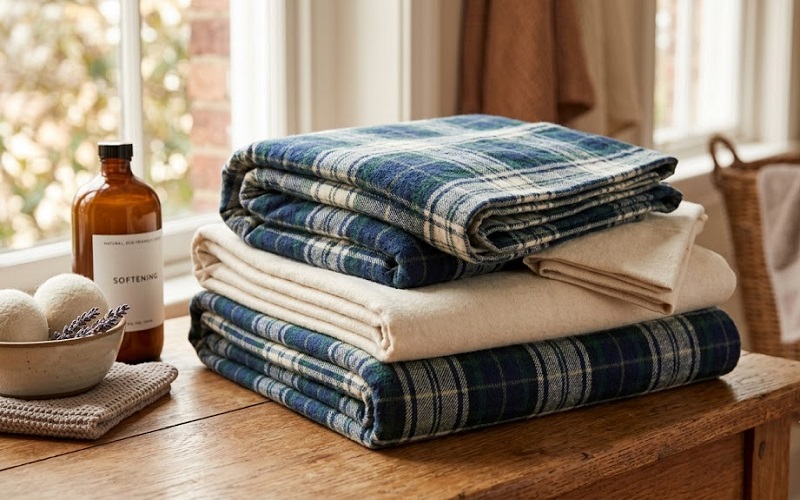
The durability and softness of flannel sheets depend heavily on manufacturing quality. Premium flannel products use superior raw materials, advanced weaving techniques, and precise brushing processes.
High-end textile manufacturers focus on:
-
Long-staple cotton fibers
-
Consistent fabric density
-
Controlled brushing technology
-
Strict quality inspection systems
-
Sustainable production standards
Well-manufactured flannel sheets resist pilling better, maintain softness longer, and offer superior durability after repeated washing.
Common Mistakes to Avoid
Even premium flannel sheets can deteriorate quickly if cared for improperly. Avoiding these common mistakes helps protect your investment:
Using High Heat
Excessive heat damages fibers and causes shrinkage.
Overloading the Washing Machine
Too many items create friction and increase wear.
Using Harsh Chemicals
Strong detergents and bleach weaken the fabric structure.
Skipping Proper Storage
Moisture exposure may lead to odors or mildew.
Ignoring Care Labels
Always follow the manufacturer’s care instructions for optimal results.
Why Premium Flannel Sheets Are Worth the Investment
High-quality flannel bedding delivers long-term value through superior comfort, durability, and thermal performance. While lower-cost products may initially appear attractive, premium flannel sheets typically maintain their softness and structure much longer.
Luxury flannel offers:
-
Enhanced warmth during colder seasons
-
Exceptional softness
-
Improved durability
-
Better resistance to pilling
-
Elegant appearance over time
For consumers seeking comfort and reliability, investing in expertly manufactured flannel bedding is a practical and rewarding decision.
Conclusion
Flannel sheets are a timeless classic choice for bedding, combining warmth, softness and a sense of luxury. With proper care, high-quality flannel bedding can withstand the test of time and remain comfortable, pleasant and beautiful as new. Gentle cleaning, low-temperature drying, proper storage and excellent manufacturing techniques all play a crucial role in maintaining the integrity of the fabric.
At HONI, we are committed to providing high-quality home textile solutions, seamlessly integrating innovative concepts, exquisite craftsmanship and lasting quality. From luxurious bedding collections to curtains, our products are designed to meet the evolving needs of global consumers.
By following these essential care tips, consumers can protect their investment in high-quality flannel sheets while enjoying exceptional comfort night after night.
Latest News
Stay informed with our recent updates, events and important announcements.

Oct 18, 2026
The Complete Guide to Choosing the Best Bedroom Bedding for Your Bedroom
Oct 15, 2026
How to Style Your Bed Sham for a Modern and Elegant Look

Oct 09, 2026
The Complete Guide to Choosing the Best Bamboo Bedding Set for Your Bedroom
Sep 26, 2026