Essential Care Tips to Keep Your Cotton Pillowcases Soft and Durable
May 21, 2026
Cotton pillowcases have become a staple in bedrooms everywhere. Because they are soft, breathable, and naturally comfortable, cotton pillowcases strike a perfect balance between style and functionality. With the addition of luxurious bedding collections or simply used as part of everyday home decor, quality cotton pillowcases improve sleep while enhancing the bedroom ambiance overall.
Even the highest quality cotton fabrics require special care to keep them soft, bright, and durable through many years of daily household use and regular washing cycles. Without proper washing, drying, or storing techniques, cotton pillowcases will lose their smoothness, fade easily, and show signs of wear earlier than expected.
HONI believes that exceptional home textiles deserve exceptional care. As a company specializing in high-end home textile solutions—from luxury bedding to customized curtains—we combine advanced automation technology with strict quality control systems to deliver products that meet global standards of comfort and durability. To help you extend the life of your cotton pillowcases, we have created this comprehensive guide featuring essential care tips every homeowner should know.
Why Proper Care Matters for Cotton Pillowcases
Cotton is a natural fiber known for its softness, ability to absorb moisture, and ability to breathe; this makes it an ideal material for pillowcases because it can be used any time of the year. Those with sensitive skin or who want to sleep in an environment that is comfortable will benefit from using cotton pillowcases. Cotton is tough; however, there are several things that can cause cotton to lose its strength:
-
Excessive heat
-
Harsh detergents
-
Improper washing techniques
-
Over-drying
-
Poor storage conditions
Taking good care of your cotton pillowcases and their fibers will help them remain soft, smooth, and visually appealing for many years.
Wash Cotton Pillowcases Before First Use
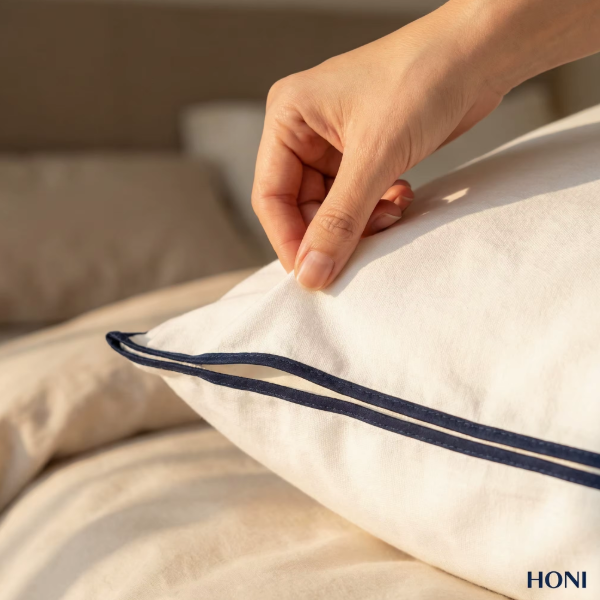
Many people skip this important step, but it is highly recommended that you wash your cotton pillowcases before using them. Manufacturing or packaging may have left dust, chemical finishing, and other residues in the fabric that can influence how soft they feel when you use them.
When you wash them for the first time, you will achieve the following effects:
-
Remove excess finishing chemicals
-
Improve breathability
-
Soften the fibers naturally
-
Prepare the fabric for regular use
During the first wash, you should select cold or lukewarm water and use a gentle detergent to help prevent unnecessary stress on your pillowcase.
Choose the Right Water Temperature
Water temperature is important for keeping cotton pillowcases in good condition.
Cold Water for Everyday Washing
Cold-water washing is the best way to regularly wash cotton pillowcases because:
-
Prevents shrinking
-
Preserves fabric color
-
Reduces fiber damage
-
Saves energy
If you wash color or patterned cotton pillowcases with cold water, you will maintain the present color of your pillowcases for years.
Warm Water for Deep Cleaning
Warm water can be used occasionally when deeper cleaning is necessary, such as after illness or during allergy seasons. However, avoid excessively hot water whenever possible, as it can weaken fibers and cause shrinkage over time.
Use Mild, Fabric-Friendly Detergents
Using strong bleach, heavy fragrances, harsh chemicals, and optical brighteners will destroy your pillowcase. When washing pillowcases, use a mild liquid detergent formulated for delicate/natural fabrics. The detergent will not remove the natural softness of the cotton pillowcase.
When washing white cotton pillowcases, do not use chlorine bleach because it will wear away the fibres and weaken them over time. Use oxygen-based whiteners to whiten your pillowcases instead.
Avoid Overloading the Washing Machine
Overloading the washing machine will keep the pillowcase from moving freely in the machine while washing. This causes the pillowcase to receive unequal cleaning and increase friction between fabrics.
To limit wear on your pillowcases while in the washing machine:
-
Wash pillowcases with similar lightweight fabrics
-
Leave enough space for water circulation
-
Avoid mixing with heavy items like towels or denim
Separating bedding by color and fabric type also helps maintain consistent results and prevents color transfer.
Select a Gentle Wash Cycle
Cotton pillowcases do not need to be washed aggressively and should be washed on a gentle/delicate cycle. Washing on a gentle cycle will help reduce:
-
Fiber stress
-
Surface pilling
-
Fabric stretching
-
Seam damage
For luxury or high-thread-count pillowcases, using mesh laundry bags can provide an extra layer of protection during washing.
Do Not Use Excessive Fabric Softener
While fabric softener will make your pillowcase softer, too much softener will leave a coating on the cotton fibres, affecting their ability to breathe/absorb moisture. Instead of relying on commercial softeners, you can use the following natural alternatives to keep pillowcases soft without causing fabric damage:
-
White vinegar during the rinse cycle
-
Wool dryer balls
-
Air drying when possible
These methods help maintain softness without compromising fabric quality.
Dry Pillowcases Carefully
Improper drying is one of the leading causes of roughness and shrinkage in cotton textiles.
Air Drying Is the Best Option
When possible, always try to use air to dry pillowcases, as air is by far the most gentle way to help cotton pillowcases hold their fiber strength while reducing the damage that can be caused by high heat.
There are many advantages of drying pillowcases in the air:
-
Reduced shrinkage
-
Longer fabric lifespan
-
Better texture retention
-
Lower energy consumption
Be cautious of drying pillowcases in the sun, as UV light can cause colors to fade over the years.
Use Low Heat in the Dryer
If it is necessary to use the dryer, try to dry using low heat (delicate) or use the lowest heat setting, as high heat will stiffen cotton fibers and weaken seams.
Remove pillowcases while they are still slightly damp to:
-
Reduce wrinkles
-
Prevent over-drying
-
Maintain softness
Finishing the drying process naturally on a flat surface can further improve fabric longevity.
Ironing Tips for a Smooth Finish
Cotton pillowcases will wrinkle more than synthetic materials, and ironing them properly will help restore them to a clean, polished appearance.
To help your cotton pillowcases look their best, when ironing:
-
Iron while slightly damp
-
Use medium heat settings
-
Steam gently to avoid scorching
Always check care labels before ironing embroidered or decorative pillowcases, as some embellishments may require lower temperatures.
Store Pillowcases Properly
Although proper storage of pillowcases is often overlooked, it is extremely important when trying to ensure both freshness and the quality of the fabric.
Store cotton pillowcases in:
-
Cool, dry spaces
-
Breathable fabric storage bags
-
Well-ventilated linen closets
Do not use plastic containers since moisture will be trapped, and this could encourage mildew or give your pillowcases unpleasant odours.
Place lavender sachets or cedar blocks near the pillowcases to keep them smelling fresh; avoid chemical air fresheners.
Rotate Pillowcases Regularly
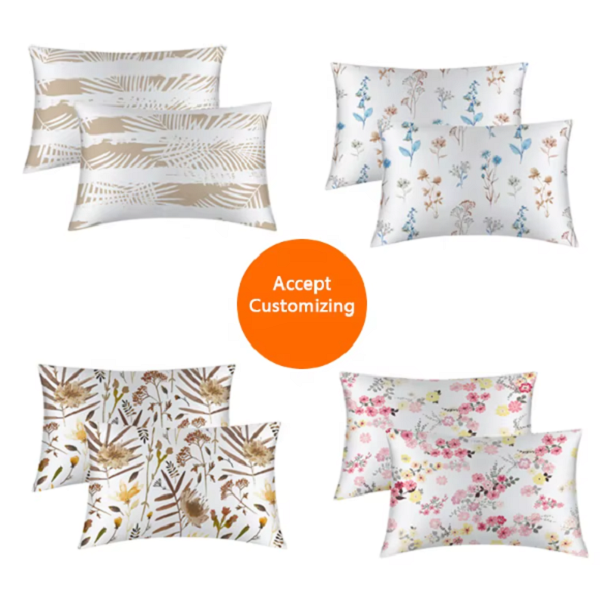
Using the same pillowcase set for weeks or months at a time can cause excessive wear and tear on your pillowcases. Rotating between different pillowcase sets will allow you to use them more evenly.
Benefits of rotation include:
-
Reduced fabric stress
-
Longer product lifespan
-
Better hygiene maintenance
-
Consistent softness over time
For households with luxury bedding collections, seasonal rotation can also help preserve color vibrancy and texture.
Address Stains Immediately
The sooner a stain is treated, the less chance there is of it becoming a permanent stain, as well as the lower the amount of detergent that may be necessary to clean it later on.
For most stains:
-
Blot gently instead of rubbing
-
Rinse with cold water
-
Apply mild stain remover
-
Wash promptly
Do not use hot water to clean protein-based stains such as sweat or cosmetics, as the heat may cause the stain to become a permanent part of the fabric.
There are also natural stain removal solutions such as baking soda or dilute vinegar that can effectively clean your pillowcase without causing damage to the delicate cotton fabric.
Prevent Yellowing Over Time
White cotton pillowcases can become yellow due to body oils, perspiration, and improper storage.
You can slow down the process of yellowing by:
-
Wash pillowcases frequently
-
Avoid heavy chemical products on skin before sleep
-
Dry thoroughly before storing
-
Use breathable storage environments
A period of soaking in a combination of warm water and an oxygen-based whitener can safely help make your pillowcases whiter.
Conclusion
Cotton pillowcases are not just another item of bedding; they are an important part of the experience of sleeping, bedroom aesthetics, and everyday well-being. With the right care, quality cotton pillowcases will remain soft, breathable, and durable for years to come.
Practicing simple procedures such as washing your pillowcases gently, drying them on low heat, treating your pillowcases promptly when they are stained, and storing your pillowcases correctly will make a significant difference in the lifespan of your pillowcases. By taking a little extra time and energy to properly care for your pillowcases, you will continue to enjoy the luxurious feel and timeless beauty of cotton bedding.
At HONI, we are committed to providing customers with exceptional home textile solutions that integrate advanced manufacturing methods, innovative designs, and uncompromising standards for quality. From beautiful collections of bedding products to tailor-made curtain solutions, every one of our products has been created to provide consumers with lasting comfort and elegance in homes around the world.
Latest News
Stay informed with our recent updates, events and important announcements.
Oct 18, 2026
The Complete Guide to Choosing the Best Bedroom Bedding for Your Bedroom
Oct 15, 2026
How to Style Your Bed Sham for a Modern and Elegant Look

Oct 09, 2026
The Complete Guide to Choosing the Best Bamboo Bedding Set for Your Bedroom
Sep 26, 2026