Transform Your Space: Creative Ways to Use Design Curtains in Home Decor
Aug 07, 2026
Design Curtains as Flexible Tools for Space Planning
Modern homes increasingly require flexible layouts. A living room may become a workspace during the day, a relaxation area in the evening, and an entertainment space at night. Design curtains provide a practical way to divide and redefine areas without permanent walls.
Ceiling-to-floor curtains create strong vertical lines that can visually enhance room height and make interiors feel more open. When installed from ceiling level to the floor, they create a clean architectural effect while maintaining flexibility.
In open-plan homes, curtains can separate dining areas, home offices, reading corners, or sleeping spaces while preserving natural light and visual connection. Unlike fixed partitions, curtains can easily be opened or closed depending on daily needs.
This makes them especially suitable for apartments, rental properties, studios, and multifunctional living spaces where adaptability is important.
Beyond Windows: Creative Applications of Design Curtains
Design curtains are no longer limited to traditional window decoration. They can also function as movable partitions, decorative backgrounds, and storage solutions.
In small apartments, curtain partitions provide privacy between sleeping and living areas without making the room feel smaller. A lightweight fabric can maintain openness, while thicker materials create a more private atmosphere.
Bedrooms can benefit from canopy-style curtain designs that add softness and comfort. Curtains can also be used to conceal wardrobes, storage areas, or open shelving, creating a cleaner visual appearance.
The flexibility of curtain-based design allows homeowners to adjust their interiors according to changing lifestyles without major renovation work.
Improving Comfort Through Light Control and Layered Curtain Design
One of the most important advantages of modern design curtains is their ability to manage natural light.
Layered curtain systems combine different fabrics to provide multiple levels of control. Sheer curtains gently filter sunlight while maintaining brightness and privacy during the day. Blackout or heavier curtains provide stronger light control when privacy or darkness is needed.
This combination is especially useful in bedrooms, home theaters, and workspaces where lighting conditions directly affect comfort.
Motorized curtain systems add another level of convenience. Smart controls allow users to adjust curtains remotely or create schedules based on daily routines, improving both comfort and ease of use.
Fabric Selection for Thermal Comfort and Acoustic Improvement
The performance of design curtains depends greatly on fabric choice, thickness, and lining structure.
Heavy fabrics such as velvet, tightly woven polyester, and layered textiles can help reduce heat exchange around windows by creating an additional barrier between indoor and outdoor environments.
Thermal-lined curtains are commonly used in bedrooms and living areas where maintaining a comfortable indoor temperature is important.
Curtains also contribute to indoor acoustic comfort. Thick and textured fabrics can absorb sound reflections, making rooms feel quieter and more comfortable. This is particularly useful in apartments, home offices, and entertainment spaces.
Choosing the right combination of fabric weight, lining, and installation method allows curtains to provide both decorative and functional benefits.
Using Color, Texture, and Pattern to Shape Interior Atmosphere
Curtains play an important role in defining the mood and personality of a room.
Soft neutral fabrics can create a calm and timeless appearance, while deeper colors and textured materials can add warmth and visual depth. Large patterns can become a design focal point in minimalist interiors, while simple fabrics can balance rooms with stronger architectural elements.
In industrial-style spaces, soft textiles such as linen blends or velvet can introduce warmth and contrast against harder materials like metal and concrete.
The right curtain design does more than decorate a window. It helps create a more balanced and comfortable living environment.
Choosing Design Curtains for Different Rooms
Different rooms require different curtain solutions.
Bedrooms often benefit from full-length curtains with stronger light control and privacy features. Living rooms usually work well with layered designs that combine decorative appeal with flexible lighting adjustment.
Kitchens require practical fabrics that are easy to clean and maintain, while bathrooms need moisture-resistant materials suitable for humid environments.
For home offices, light-filtering curtains can reduce glare on screens while maintaining a comfortable working atmosphere.
By matching fabric, color, and function to each space, curtains become an integrated part of interior design rather than a simple decoration.
FAQ
How can design curtains improve open-plan spaces?
Design curtains can divide areas such as living rooms, offices, and sleeping zones while maintaining flexibility. They provide privacy when needed and can be opened to restore an open layout.
Are curtains a good option for small apartments?
Yes. Curtains are a flexible solution for small spaces because they create separation without requiring permanent walls or reducing visual openness.
What curtains are best for improving privacy?
Thicker fabrics, layered curtains, and blackout designs generally provide better privacy compared with lightweight sheer curtains.
Can curtains help with room temperature control?
Thermal curtains and heavier fabrics can help reduce heat exchange around windows, improving indoor comfort in different seasons.
What curtain materials are suitable for modern homes?
Popular options include linen blends, polyester fabrics, velvet, blackout textiles, and sheer materials. The best choice depends on the room function, design style, and maintenance needs.
Latest News
Stay informed with our recent updates, events and important announcements.
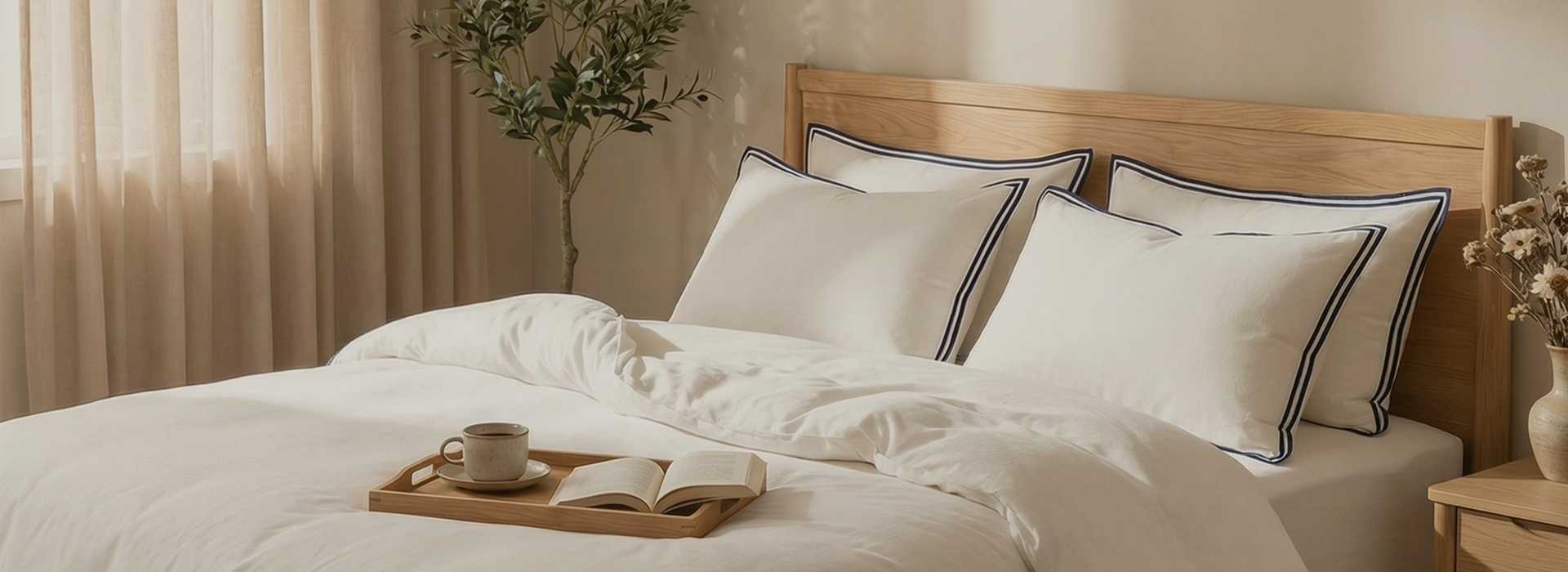
Oct 18, 2026
The Complete Guide to Choosing the Best Bedroom Bedding for Your Bedroom
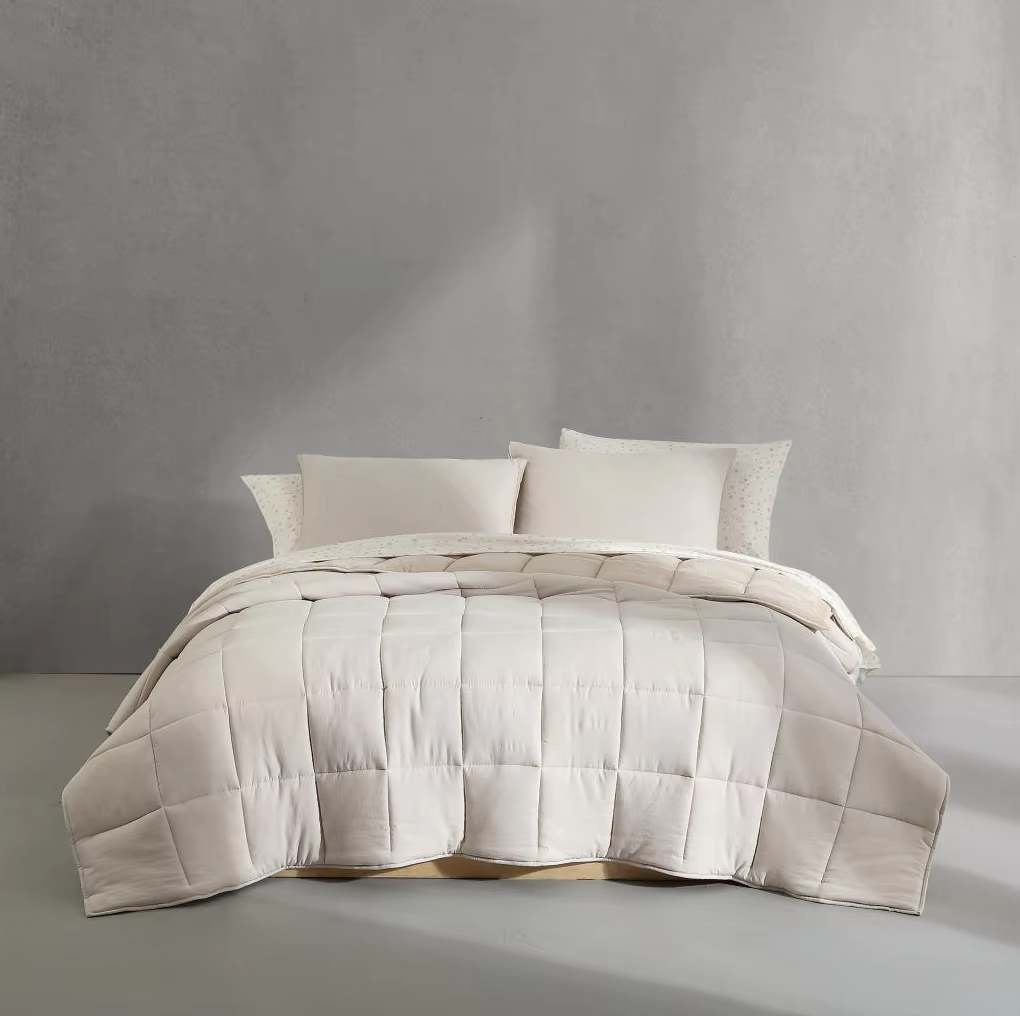
Oct 15, 2026
How to Style Your Bed Sham for a Modern and Elegant Look
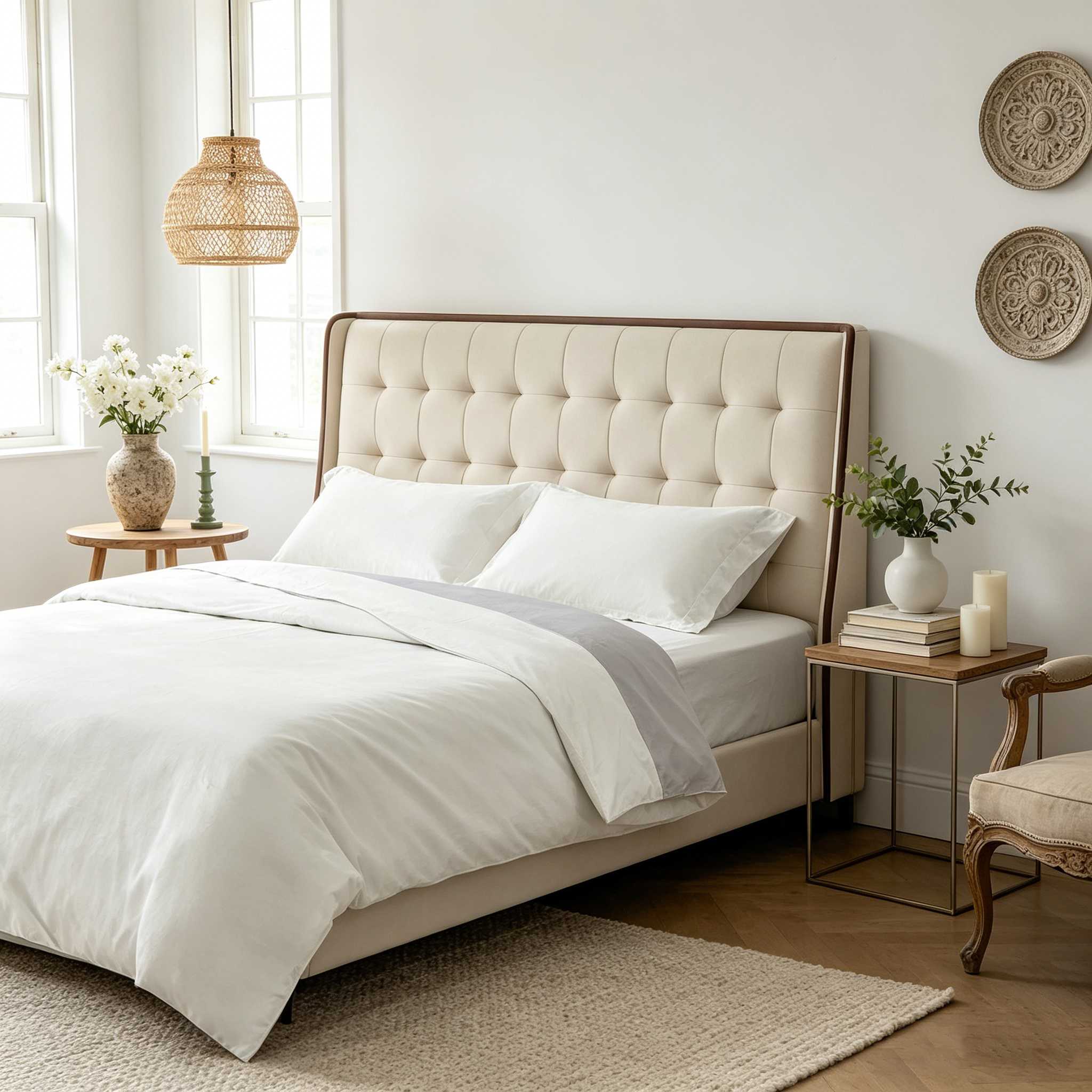
Oct 09, 2026
The Complete Guide to Choosing the Best Bamboo Bedding Set for Your Bedroom
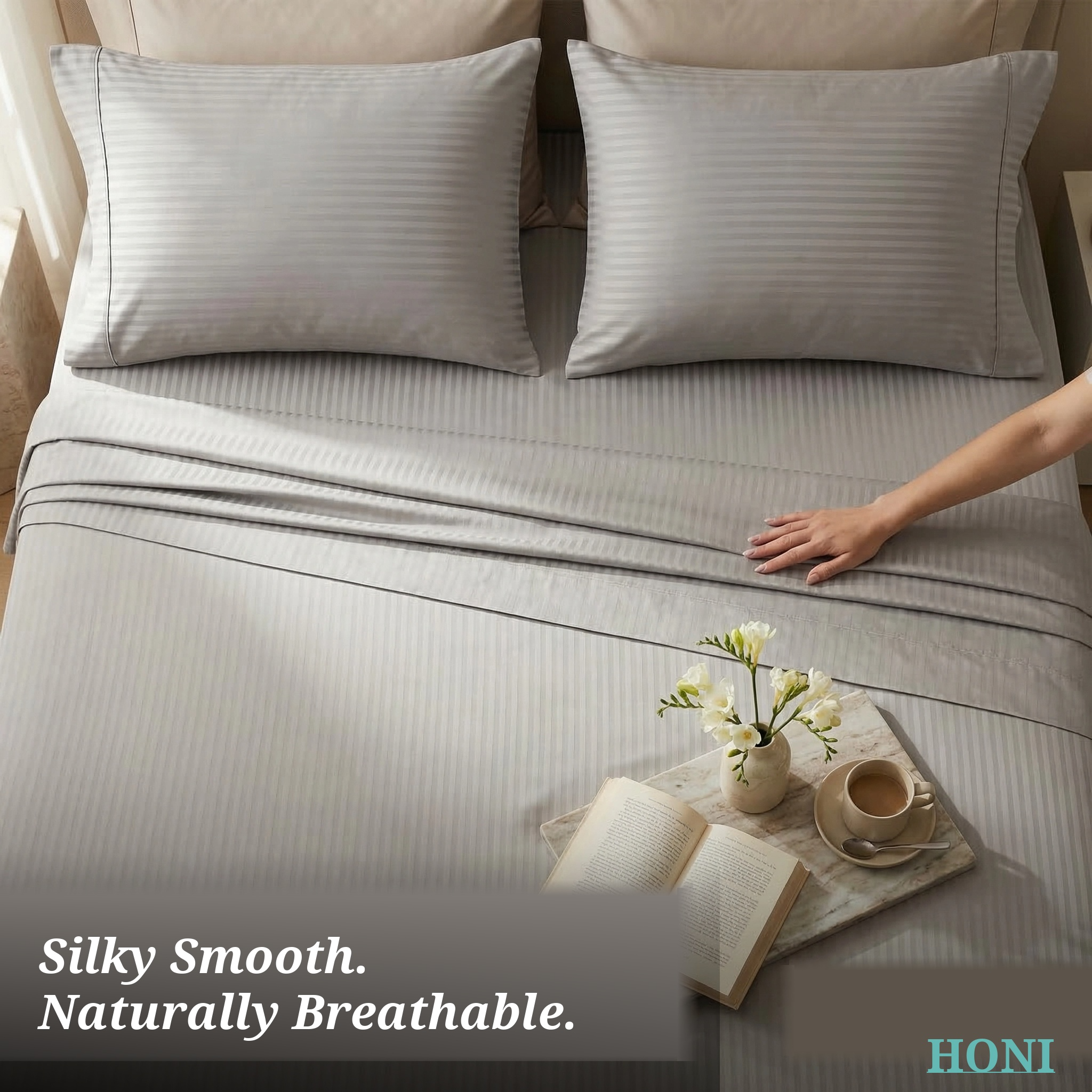
Sep 26, 2026