How to Style Your Flannel Duvet Cover for a Modern and Elegant Look
Aug 22, 2026
The Material Science Behind Premium Flannel Duvet Covers
A flannel duvet cover is valued for its unique brushed texture, warmth, and comfortable hand feel. Unlike traditional flat cotton fabrics, flannel undergoes a brushing process that gently raises the surface fibers, creating a soft nap that improves insulation while maintaining breathability.
The brushed surface helps trap a layer of warm air close to the fabric, making flannel duvet covers especially suitable for cooler seasons. At the same time, high-quality cotton flannel maintains the natural moisture management properties of cotton, helping create a more comfortable sleeping environment.
The quality of a flannel duvet cover depends largely on factors such as fiber selection, yarn quality, fabric weight, and finishing techniques. Long-staple cotton varieties generally provide smoother yarns and a more durable surface, while carefully controlled brushing creates a softer texture without excessive fiber shedding.
Some premium flannel products may also combine cotton with other fibers to improve warmth, softness, or durability. However, cotton-based flannel remains one of the most widely used choices for comfortable bedding applications because of its balance of softness, breathability, and easy care.
Creating a Layered Bedroom Look with Flannel Duvet Covers
A flannel duvet cover works well as the foundation of a layered bedding design because its soft texture adds visual depth and warmth.
For a refined bedroom arrangement, many designers combine flannel with contrasting materials. Smooth cotton sheets can create a clean surface contrast, while linen throws, wool blankets, or velvet cushions introduce additional texture without making the bed appear overly heavy.
The key to successful layering is balance. Since flannel already provides a rich tactile experience, supporting fabrics should complement rather than compete with it. Lightweight woven covers or textured throws can add structure, while natural fabrics help maintain a relaxed and comfortable atmosphere.
This approach allows the same flannel duvet cover to adapt to different interior styles, from modern minimalist bedrooms to classic and cozy home designs.
Choosing Colors and Patterns for a Timeless Flannel Duvet Cover Style
Color selection plays an important role in highlighting the natural texture of flannel. Neutral shades such as charcoal, ivory, beige, and taupe often work well because they allow the brushed surface and fabric depth to become the main visual focus.
Monochromatic combinations create a calm and sophisticated bedroom atmosphere. For example, pairing a warm gray flannel duvet cover with lighter sheets and textured cushions can create a balanced layered appearance.
For customers looking for more personality, subtle patterns such as checks, stripes, or herringbone designs provide visual interest while maintaining a timeless aesthetic. These patterns work particularly well in hospitality projects, seasonal collections, and home bedding ranges where long-term appeal is important.
When developing custom bedding collections, manufacturers can adjust colors, patterns, fabric weight, and finishing methods to match different market preferences.
Functional Details That Improve Flannel Duvet Cover Quality
Beyond fabric selection, construction details influence both appearance and long-term performance.
High-quality flannel duvet covers often feature carefully finished seams, durable closures, and precise stitching to maintain shape after repeated washing. Hidden buttons, zipper closures, or reinforced edges can improve usability while keeping the design clean.
For wholesale buyers and bedding brands, evaluating manufacturing quality is essential. Important considerations include:
Fabric weight consistency
Color fastness after washing
Brushing quality and surface uniformity
Seam strength
Shrinkage control
These factors help ensure that a flannel duvet cover not only feels comfortable at first use but also maintains its appearance throughout its service life.
A well-designed flannel duvet cover combines material performance, thoughtful construction, and aesthetic versatility. Whether used for residential bedding, hotels, or custom textile collections, high-quality flannel provides a practical way to create a warmer and more inviting sleep environment.
FAQ
What makes a flannel duvet cover different from regular cotton bedding?
A flannel duvet cover features a brushed surface that creates a softer texture and improves warmth retention compared with standard flat cotton fabrics.
Is flannel suitable for year-round bedding?
Flannel is especially popular for autumn and winter use because of its warmth. In warmer climates, lighter-weight flannel fabrics may provide better comfort.
What fabrics pair well with a flannel duvet cover?
Flannel works well with materials such as cotton percale, linen, wool, and velvet because these fabrics create balanced texture and visual contrast.
How can buyers evaluate the quality of a flannel duvet cover?
Buyers should consider cotton quality, fabric weight, brushing consistency, stitching quality, color durability, and manufacturing standards.
Can flannel duvet covers be customized for wholesale orders?
Yes. Many textile manufacturers offer customization options including fabric composition, colors, patterns, sizes, labels, and packaging solutions for different markets.
Latest News
Stay informed with our recent updates, events and important announcements.
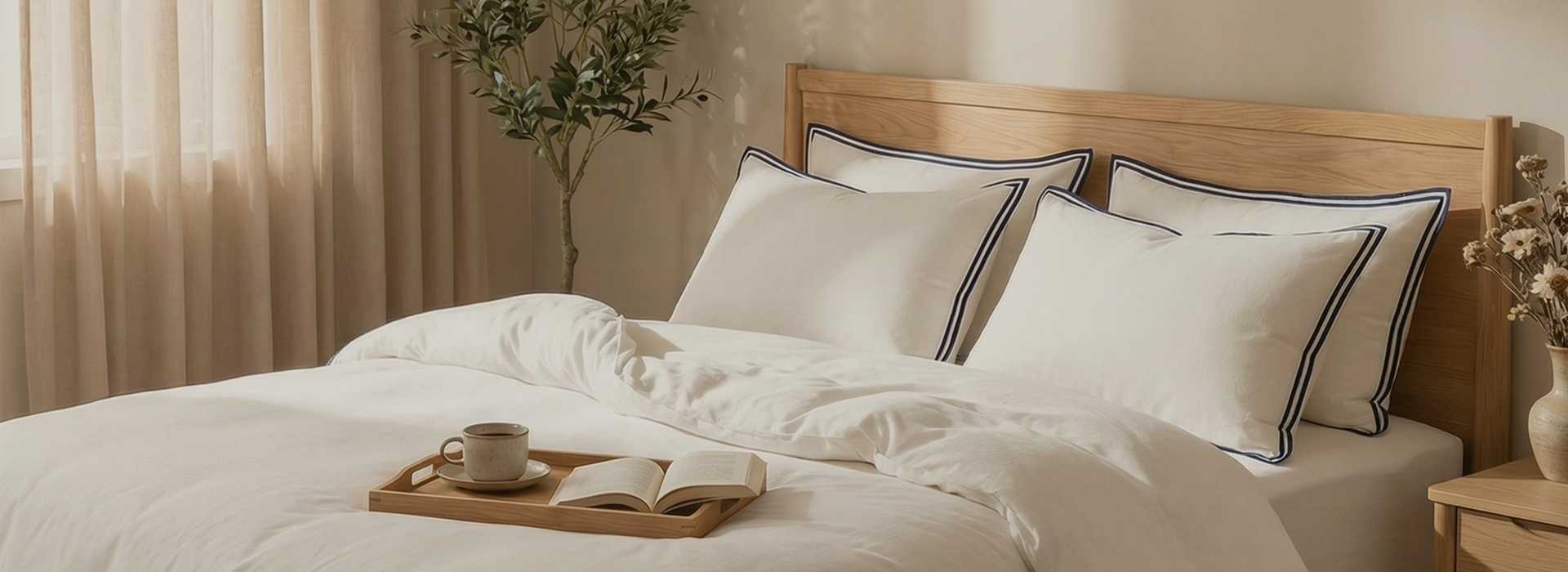
Oct 18, 2026
The Complete Guide to Choosing the Best Bedroom Bedding for Your Bedroom
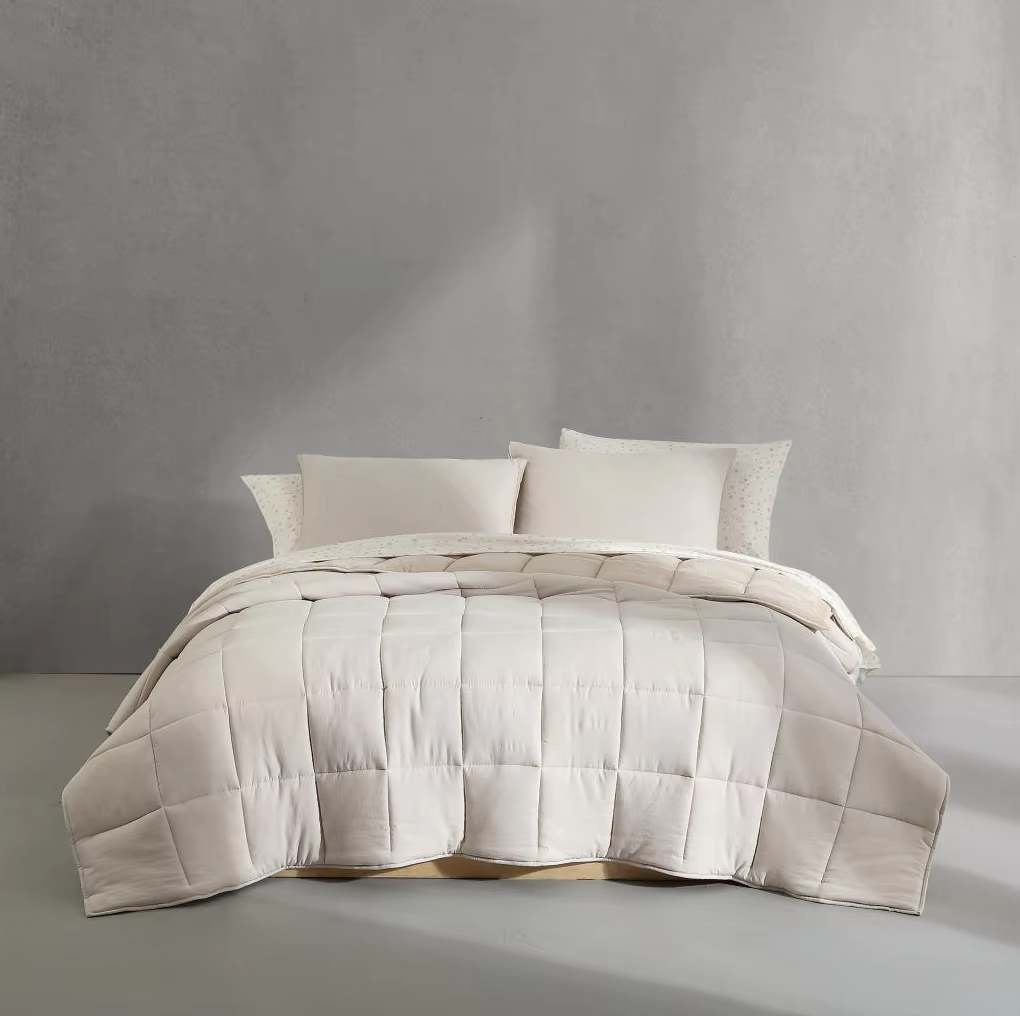
Oct 15, 2026
How to Style Your Bed Sham for a Modern and Elegant Look
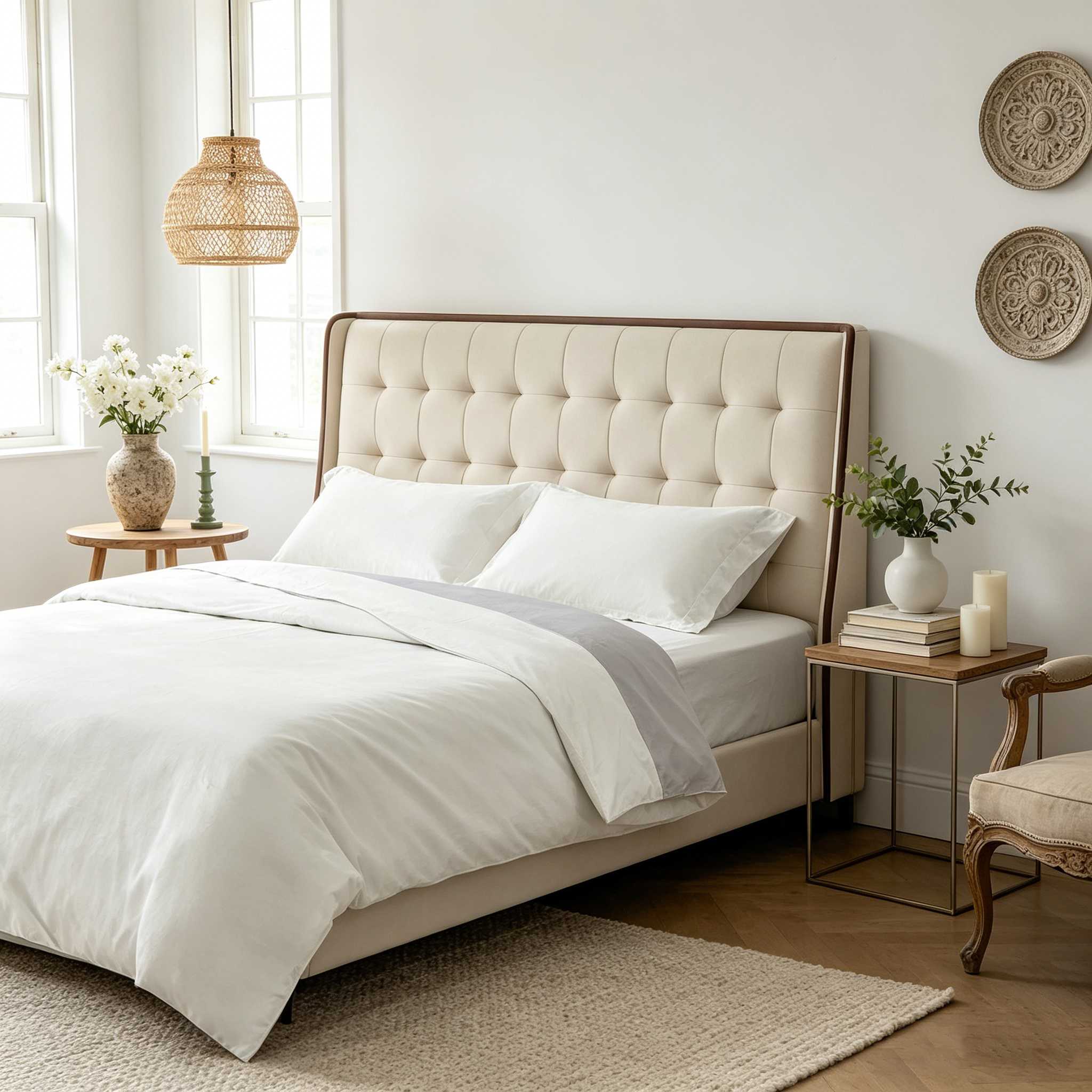
Oct 09, 2026
The Complete Guide to Choosing the Best Bamboo Bedding Set for Your Bedroom
Sep 26, 2026