How Cooling Pillow Can Improve Your Home Comfort and Style
Aug 04, 2026
Why Temperature Regulation Matters for Better Sleep
During sleep, the human body naturally adjusts its temperature as part of the circadian rhythm. When the sleeping environment becomes too warm, many people may experience discomfort, sweating, or frequent position changes throughout the night.
A cooling pillow is designed to help manage heat around the head and neck area, where many sleepers notice temperature changes most easily. By using breathable fabrics, cooling foams, gel layers, or phase change materials (PCM), these pillows help create a more comfortable sleeping surface.
Unlike traditional pillows that may retain heat, cooling pillows are engineered to improve airflow and heat dissipation. This can be especially beneficial for hot sleepers, people living in warm climates, or anyone looking for a more refreshing sleep experience.
Cooling Pillow Materials: Understanding Different Technologies
The effectiveness of a cooling pillow depends largely on its materials and construction. Different technologies provide different types of temperature management.
Gel-infused foam is one of the most common cooling solutions. Gel particles or layers help absorb and distribute heat away from the surface, creating an immediate cooling sensation. However, the long-term cooling effect depends on ventilation design, foam density, and overall pillow structure.
Phase change materials (PCM) offer a more adaptive approach. These materials absorb and release heat as temperatures change, helping maintain a more stable surface temperature during sleep. PCM technology is often used in advanced bedding products because it provides responsive temperature regulation rather than only a temporary cool feeling.
Bamboo-derived fabric covers are also popular in cooling pillows. Their breathable structure and moisture management properties help improve surface comfort, especially in humid environments. When combined with ventilated foam or other cooling layers, bamboo covers can create a more balanced sleep environment.
Graphite-infused foam is another option used in some premium pillows. Graphite particles are added to foam structures to improve heat transfer and reduce heat accumulation compared with traditional memory foam designs.
Hybrid Cooling Pillow Designs for Balanced Comfort
Single-material pillows often have limitations. For example, memory foam provides excellent pressure relief but may retain heat, while highly breathable materials may not provide enough support.
Hybrid cooling pillows combine multiple technologies to balance temperature control, support, and durability.
A typical hybrid design may include:
A cooling surface layer for heat management
A ventilated foam core for airflow
A moisture-wicking cover for improved dryness
An ergonomic structure for neck and head support
This layered approach allows manufacturers to create pillows that feel cooler while maintaining the pressure relief and stability required for different sleeping positions.
Side sleepers often benefit from pillows with stronger structural support, while back and stomach sleepers may prefer lower-profile designs with enhanced airflow.
Choosing the Right Cooling Pillow for Different Sleep Needs
Selecting a cooling pillow depends on several factors, including sleeping position, personal temperature preference, and support requirements.
For hot sleepers, materials such as PCM layers, breathable covers, and ventilated foam structures can provide better temperature management.
For people who prefer traditional memory foam comfort, cooling technologies integrated into foam construction can help reduce heat buildup while maintaining pressure relief.
For those living in warm or humid regions, moisture management becomes equally important. Breathable covers and airflow-focused designs can help maintain a fresher sleeping surface.
The best cooling pillow is not necessarily the one with the most advanced material. Instead, it should provide a balance between cooling performance, ergonomic support, and long-term comfort.
How Cooling Pillows Fit Into Modern Bedroom Design
Today’s cooling pillows are designed not only for comfort but also to complement modern bedroom aesthetics.
Many products combine functional materials with minimalist covers, neutral colors, and refined textures that match contemporary interiors. Cooling technology is usually integrated beneath the surface, allowing the pillow to maintain a clean appearance while providing enhanced comfort.
Whether paired with modern bedding, natural fabrics, or luxury bedroom designs, cooling pillows can become part of a complete sleep environment focused on relaxation and personal comfort.
FAQ
What is a cooling pillow?
A cooling pillow is a pillow designed with temperature-regulating materials such as gel foam, PCM layers, breathable fabrics, or ventilated foam structures to improve sleeping comfort.
How does a cooling pillow work?
Cooling pillows help manage heat through airflow improvement, moisture control, and heat-dissipating materials that create a more comfortable sleep surface.
Which cooling pillow material is best?
The best material depends on personal needs. PCM provides adaptive temperature regulation, gel offers a cooling sensation, and breathable fabrics improve airflow and moisture management.
Are cooling pillows suitable for hot sleepers?
Yes. Cooling pillows are commonly designed for hot sleepers because they help reduce heat accumulation and improve nighttime comfort.
How long does a cooling pillow last?
Lifespan depends on materials, construction quality, and maintenance. High-quality pillows generally maintain performance longer when properly cared for.
Can a cooling pillow replace air conditioning?
A cooling pillow is designed to improve personal comfort during sleep but does not replace room temperature control systems. It works best as part of a comfortable bedroom environment.
Latest News
Stay informed with our recent updates, events and important announcements.
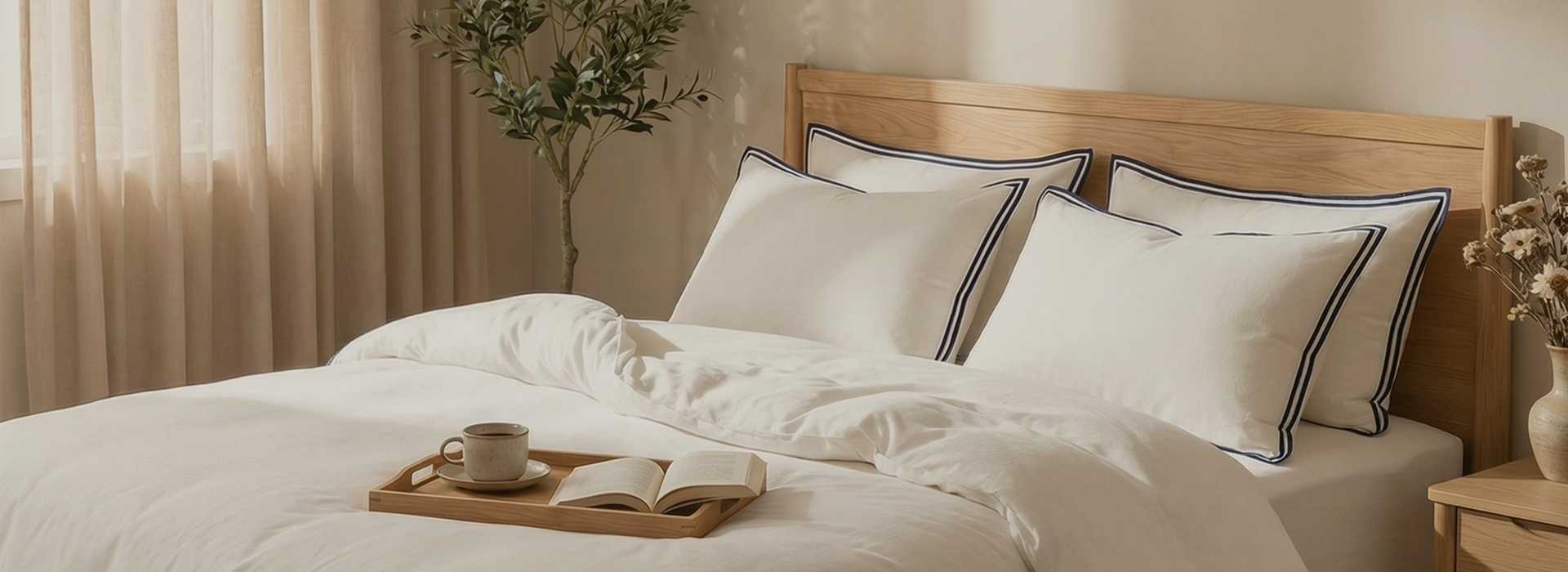
Oct 18, 2026
The Complete Guide to Choosing the Best Bedroom Bedding for Your Bedroom
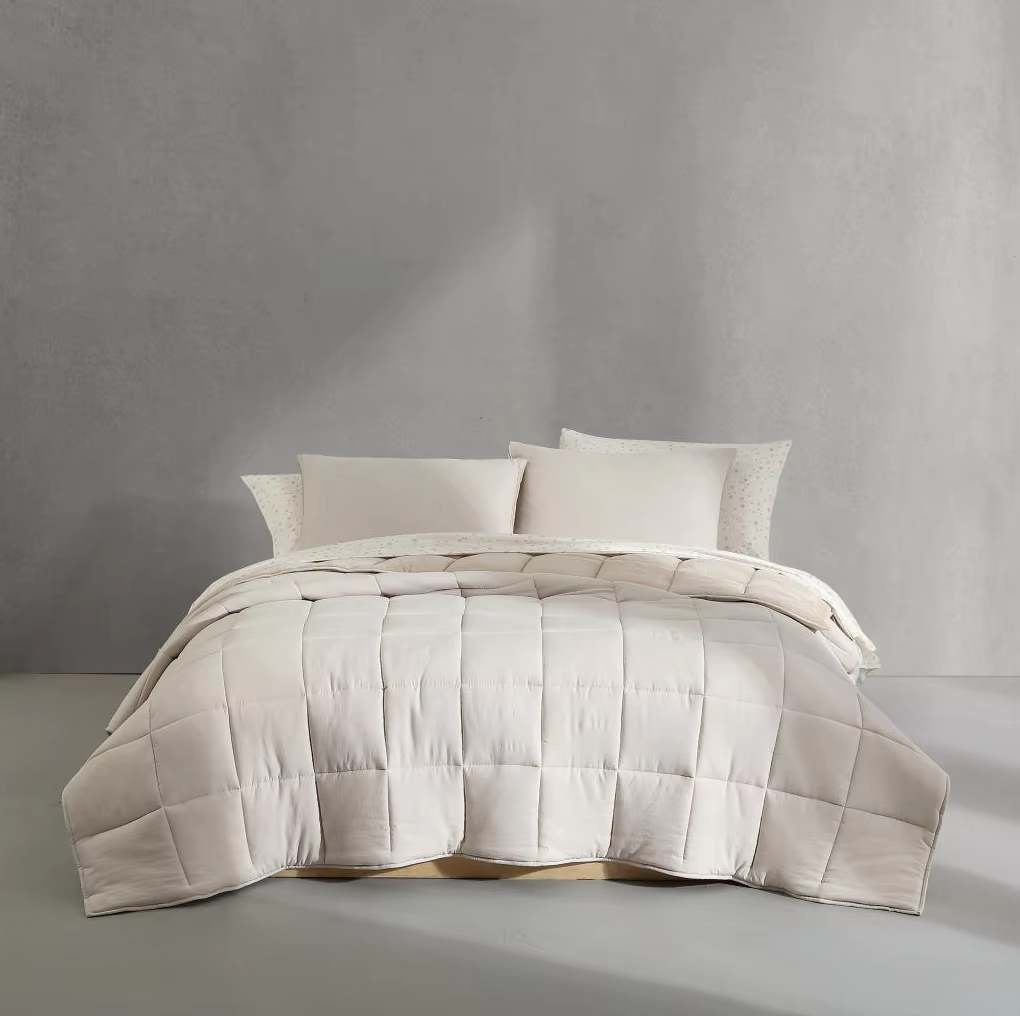
Oct 15, 2026
How to Style Your Bed Sham for a Modern and Elegant Look
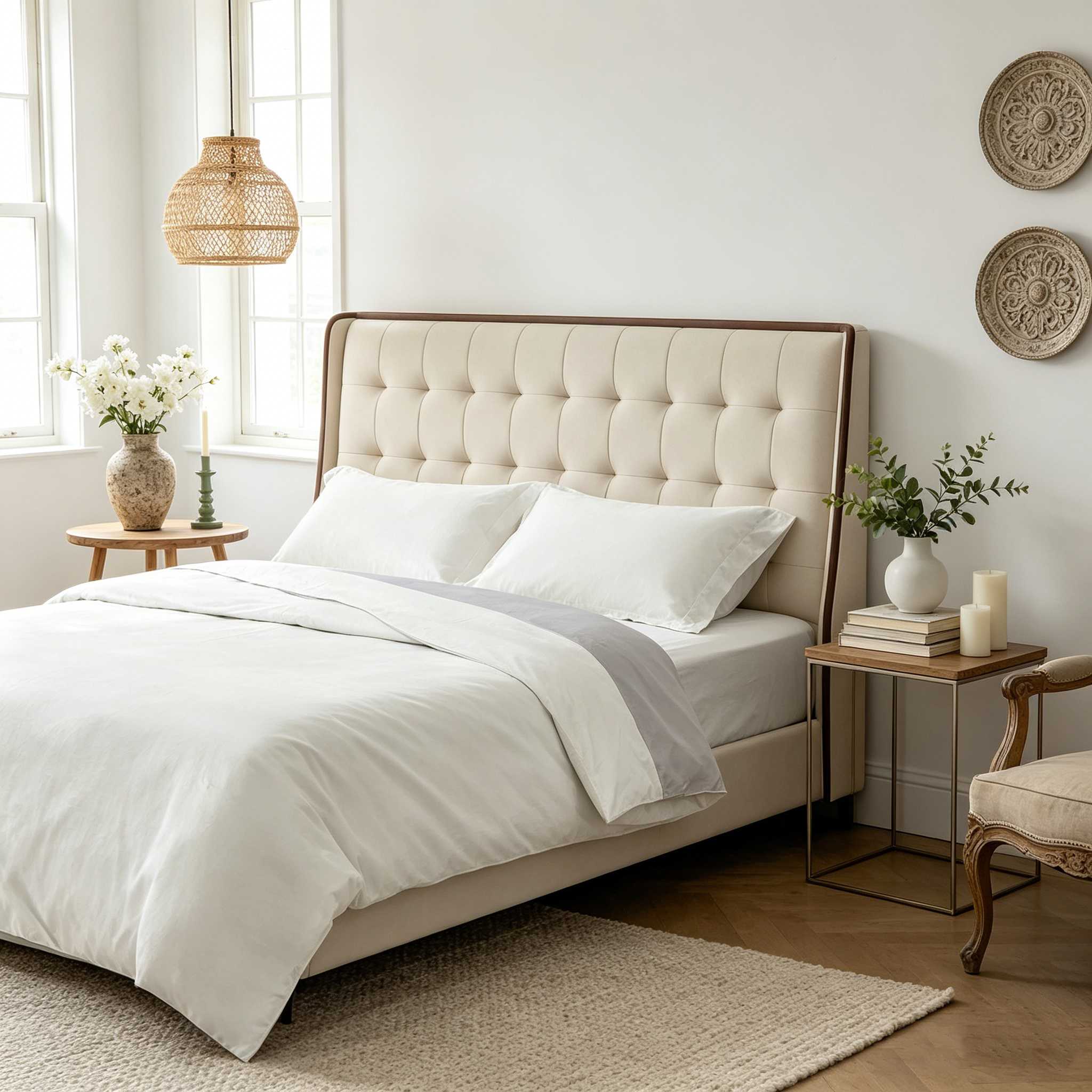
Oct 09, 2026
The Complete Guide to Choosing the Best Bamboo Bedding Set for Your Bedroom
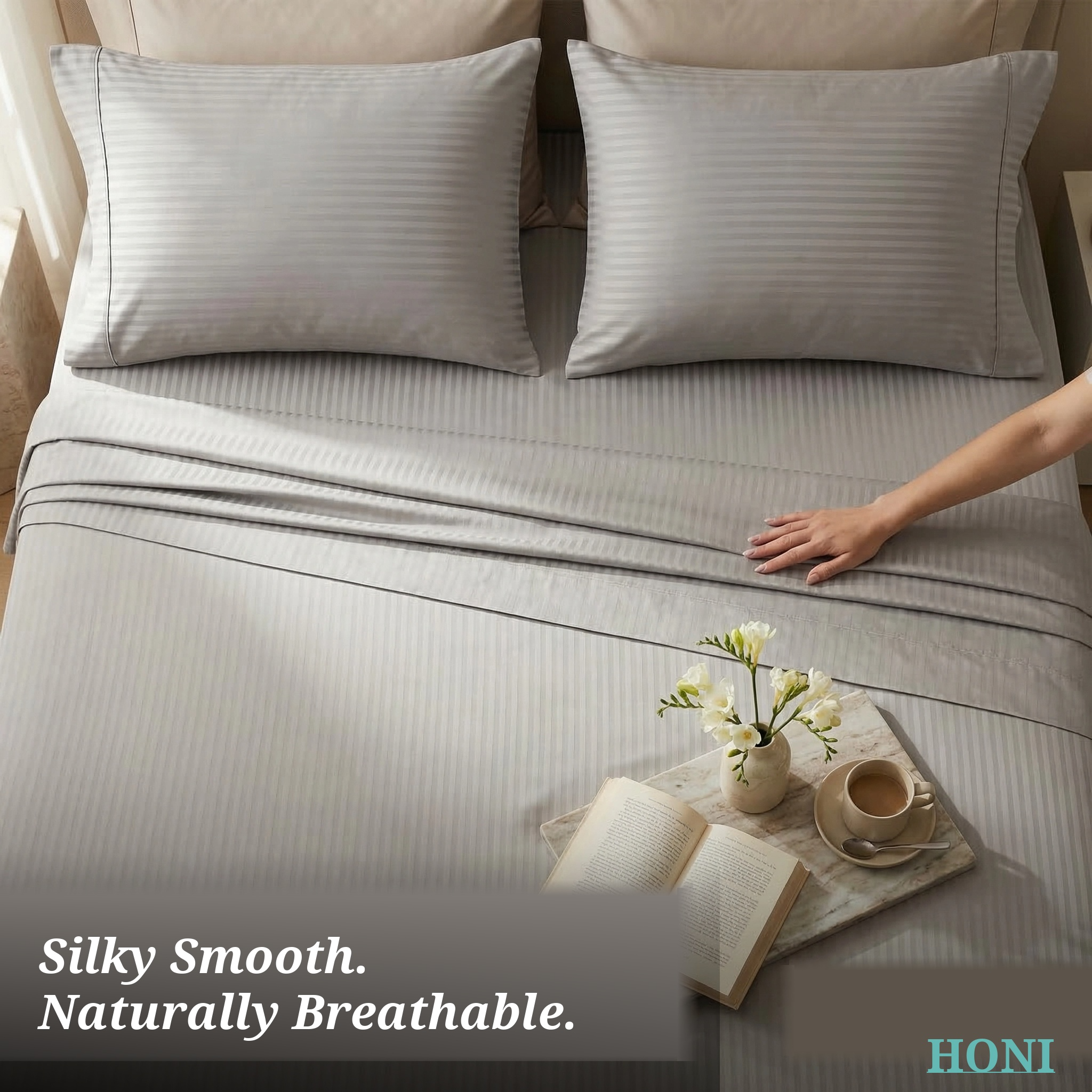
Sep 26, 2026