Everything You Need to Know Before Selecting Your Next Blanket Cover For Bed
Jul 14, 2026
Material Matters: Matching Blanket Cover for Bed Fabrics to Your Sleep Needs
Cotton, Linen, and Tencel — Ideal for Breathability and Sensitive Skin
Natural fibers like cotton, linen, and Tencel (lyocell) lead in breathability and skin compatibility. Cotton is soft, breathable, and widely tolerated by sensitive skin—especially when made from long-staple varieties like Egyptian or Pima. Linen excels in airflow and moisture wicking, making it a top choice for warm sleepers or humid climates. Tencel, derived from sustainably harvested wood pulp, offers a smooth, silky handfeel and draws moisture away from the body more effectively than cotton while resisting bacterial growth. All three are naturally hypoallergenic and low-irritant—key advantages for people managing eczema, allergies, or asthma. Their open structure promotes air circulation, reducing nighttime sweat and minimizing skin friction.
Microfiber, Flannel, and Satin — Prioritizing Warmth, Softness, and Seasonal Use
When ambient temperatures fall, microfiber, flannel, and satin deliver targeted warmth and tactile luxury. Microfiber’s ultra-fine synthetic threads create a dense, lightweight weave that traps heat efficiently—ideal for cold-weather layering without bulk. Flannel, typically brushed cotton or cotton-blend, develops insulating air pockets through its napped surface, offering cozy, classic warmth on winter nights. Satin—whether silk or high-grade polyester—has a glossy, low-friction finish that feels cool to the touch yet retains heat well; its slipperiness also helps reduce hair tangles and skin drag. While less breathable than natural fibers, satin works well as a transitional fabric for cooler spring and fall evenings—especially when paired with lighter fillings.
Bamboo and Modal Blends — Leveraging Moisture-Wicking and Hypoallergenic Benefits
Bamboo-derived rayon and modal—made from beech tree pulp—are prized for their exceptional moisture management and gentle drape. Both wick sweat rapidly and dry quickly, helping prevent clamminess during night sweats or in humid environments. They’re naturally resistant to dust mites, mold, and bacteria, and carry inherent hypoallergenic properties beneficial for allergy and asthma sufferers. Modal is notably softer than cotton with superior drape and durability; bamboo rayon offers slightly more cooling lift. Neither fabric relies on chemical finishes to achieve these traits—especially when certified to OEKO-TEX Standard 100, which verifies absence of harmful substances. These blends strike a rare balance: eco-conscious sourcing, thermoregulation across seasons, and clinical-grade comfort for sensitive skin.
Weave & Construction: How Percale, Sateen, and Renforcé Affect Feel and Longevity
The weave fundamentally shapes how your blanket cover feels, breathes, and holds up over time. Percale uses a simple one-over-one-under plain weave, yielding a crisp, matte texture with excellent airflow—ideal for hot sleepers and year-round use. Sateen employs a three-over-one-under weave that floats more yarn on the surface, creating a luminous sheen and buttery softness that feels warmer against the skin—but at the cost of slightly reduced breathability. Renforcé is a reinforced plain weave used in premium hospitality linens: an extra strengthening thread is interwoven at regular intervals, significantly boosting tear resistance and pilling resistance without compromising drape.
Thread Count Myths vs. Real‑World Performance in Blanket Cover for Bed Durability
Thread count alone is a poor proxy for quality. A tightly woven 400–600 thread count percale or renforcé cover—made with long-staple cotton or Tencel—typically outperforms a loosely constructed 1000+ count using multi-ply or twisted yarns, which inflate numbers while sacrificing breathability and durability. What truly determines longevity is fiber integrity (e.g., staple length), weave density, and finishing techniques—not just thread quantity. For daily use, mid-range thread counts in robust weaves offer the best balance: percale and renforcé deliver reliable tear strength and easy care; sateen prioritizes sensory luxury but benefits from gentler laundering to preserve its luster.
Climate, Skin, and Lifestyle: Aligning Your Blanket Cover for Bed with Daily Realities
Your blanket cover is the primary interface between your skin and bedding—so material, weave, and care must reflect your health profile, local climate, and routine. Humid regions demand quick-drying, mold-resistant fabrics; dry climates call for moisture-retentive yet non-irritating surfaces; and sensitive skin requires low-friction, chemically benign textiles. The right cover doesn’t just protect your duvet—it actively supports thermal regulation, allergen control, and dermatological wellness.
Hypoallergenic Solutions for Allergies, Eczema, and Asthma Management
Standard cotton covers can still harbor dust mites and irritants unless tightly woven and consistently laundered. Bamboo, Tencel, and high-thread-count percale covers offer built-in advantages: natural antimicrobial properties, superior moisture dispersion (which inhibits mite proliferation), and minimal chemical residue when OEKO-TEX certified. Hot-water washing (60°C/140°F) is effective for allergen removal—but only if the fabric is engineered for it. Bamboo and Tencel retain shape and softness after repeated hot cycles, unlike many cottons that weaken or shrink. For eczema-prone skin, avoid rough textures and synthetic finishes; prioritize smooth, tightly knitted or woven surfaces with no added fragrances or formaldehyde resins.
Thermal Regulation Strategies — Optimizing Year-Round Comfort
Rather than swapping entire bedding systems seasonally, choose a versatile cover that adapts. Linen and lightweight Tencel excel in summer—high breathability and rapid evaporation keep you cool. In cooler months, flannel or brushed cotton adds insulation without weight, while sateen provides gentle warmth with low friction. For humid climates, fast-drying bamboo or cotton sateen prevents mildew buildup; in arid zones, softer weaves like modal help retain subtle moisture near the skin. The goal is a “microclimate” that responds dynamically—so your cover works with your body’s thermoregulation, not against it.
Fit, Function, and Care: Maximizing Value and Lifespan of Your Blanket Cover for Bed
Size Precision, Closure Types, and Deep-Pocket Design for Secure, Wrinkle-Free Fit
A precise fit ensures both aesthetics and function. Measure your duvet or blanket before washing (to account for potential shrinkage), then add 2–3 inches to each dimension. Opt for hidden zippers or oversized mother-of-pearl buttons—they secure the insert firmly and minimize shifting overnight. Deep-pocket construction (12–18 inches) accommodates thick, lofty comforters without straining seams or creating unsightly bulges. A properly fitted cover stays smooth, reduces wear on corners and hems, and extends the life of both cover and filling.
Low-Effort Maintenance: Washing, Drying, and Storage Tips That Preserve Quality
Preserve quality with mindful laundering: wash in cold water on a gentle cycle using pH-neutral detergent; avoid bleach and fabric softeners, which degrade fibers and coatings over time. Tumble dry on low heat—or better yet, line-dry in shade—to prevent shrinkage, pilling, and color fade. Shake the cover vigorously before drying to release wrinkles and restore drape. Store folded in a cool, dark, well-ventilated space inside a breathable cotton storage bag; never use plastic, which traps humidity and encourages mildew. With this routine, even premium natural-fiber covers maintain softness, color fidelity, and structural integrity for five years or more.
FAQs:
What materials are best for sensitive skin?
Cotton, linen, and Tencel are ideal for sensitive skin due to their natural hypoallergenic properties and low-irritant textures.
How do I pick the right blanket cover material for hot and humid climates?
Choose lightweight, breathable fabrics like linen, Tencel, or bamboo rayon for efficient moisture wicking and airflow.
What is the ideal thread count for durability and comfort?
A thread count of 400–600 in percale or renforcé weaves balances durability, breathability, and luxurious feel.
How do I care for my blanket cover to extend its lifespan?
Use cold water washing, avoid bleach, tumble dry on low heat, or line-dry in shade. Store in breathable cotton bags to prevent mildew.
Latest News
Stay informed with our recent updates, events and important announcements.
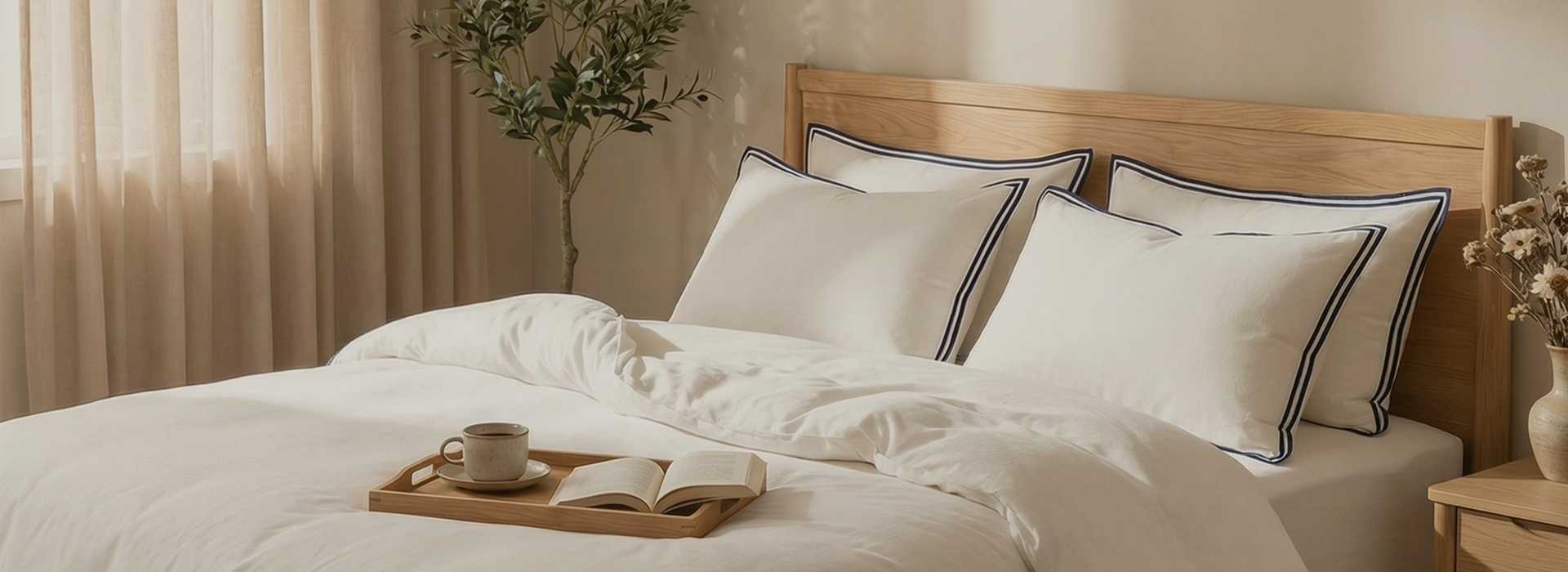
Oct 18, 2026
The Complete Guide to Choosing the Best Bedroom Bedding for Your Bedroom
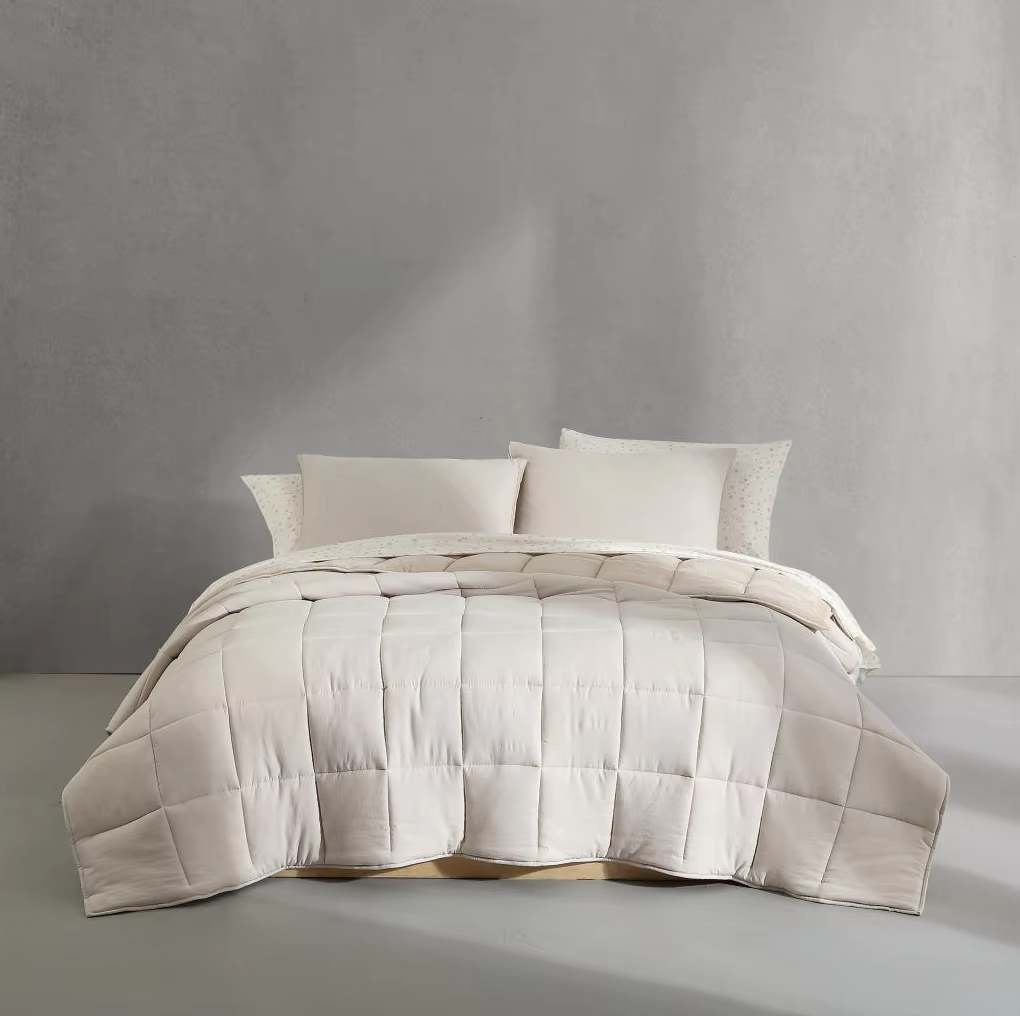
Oct 15, 2026
How to Style Your Bed Sham for a Modern and Elegant Look
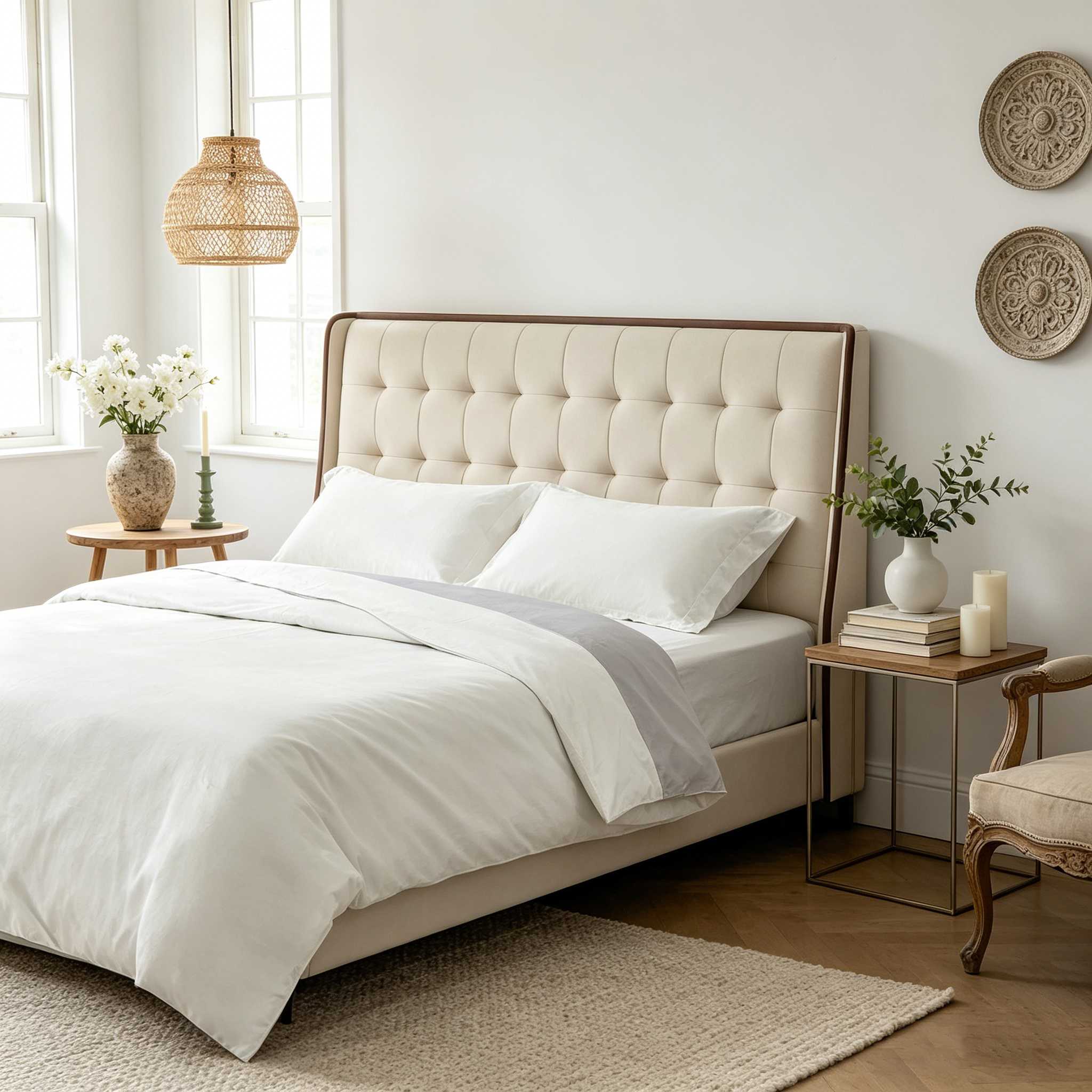
Oct 09, 2026
The Complete Guide to Choosing the Best Bamboo Bedding Set for Your Bedroom
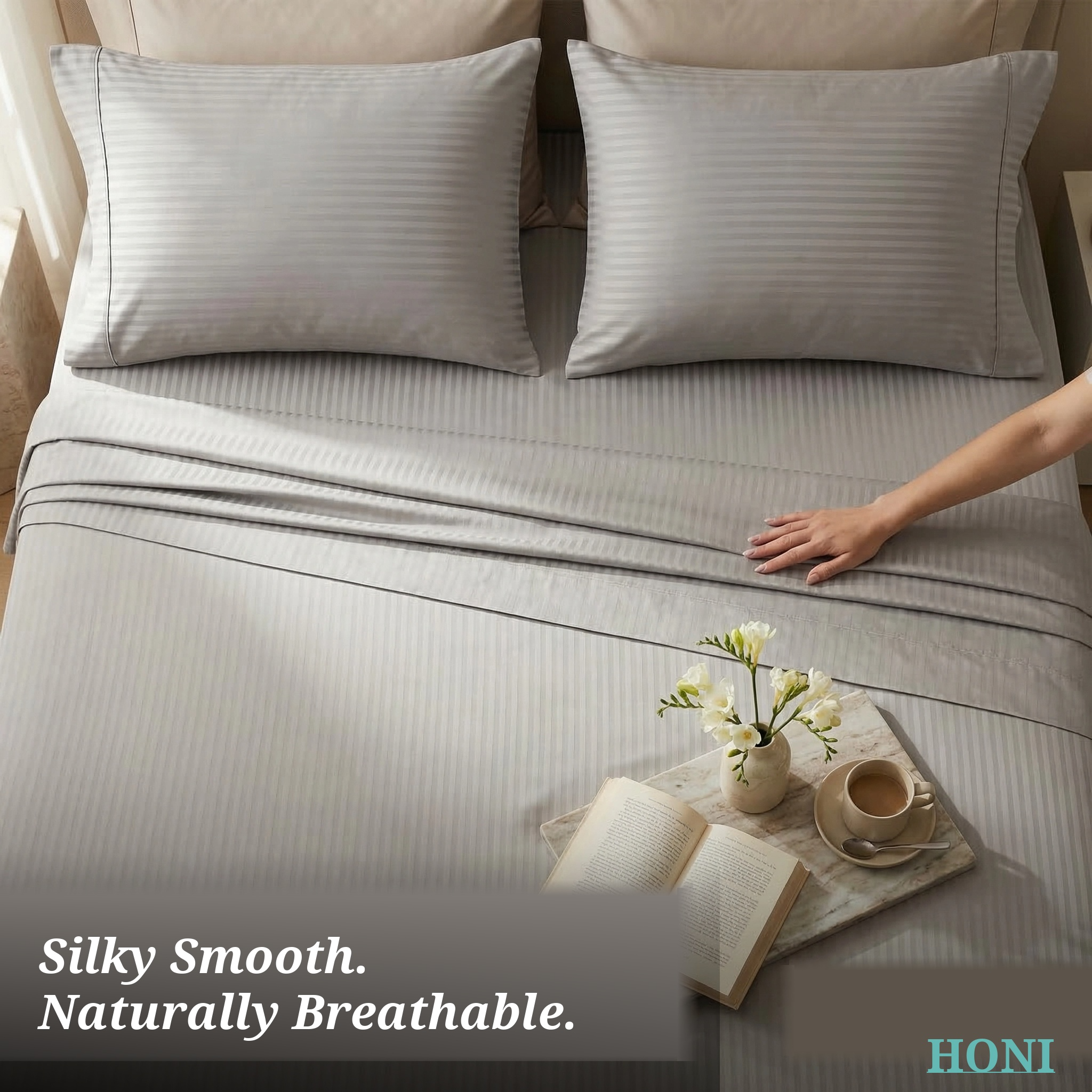
Sep 26, 2026