Essential Care Tips to Keep Your Curtain For Home Soft and Durable
Aug 26, 2026
Understanding Curtain Functions: Light Control, Privacy, and Thermal Comfort
Choosing the right curtain for home involves more than matching colors and patterns. A well-designed curtain combines practical functions such as light management, privacy protection, temperature control, and overall interior enhancement.
Blackout curtains are commonly made with dense fabrics such as polyester, velvet, or multi-layer textile constructions. Their primary purpose is to reduce incoming light, making them suitable for bedrooms, nurseries, and media rooms where a darker environment is preferred.
Privacy is another important consideration. Sheer curtains allow natural light to enter while softening visibility from outside, while thicker curtains provide stronger privacy protection. Many homeowners combine both options through layered curtain systems, creating flexible control throughout the day.
Thermal curtains use heavier fabrics, multiple layers, or insulating backings to help reduce heat transfer around windows. During colder seasons, they can help retain indoor warmth, while in warmer weather they may reduce the impact of direct sunlight. Dense fabrics can also contribute to improved acoustic comfort by absorbing some surrounding noise.
Selecting curtains based on function first helps create a more comfortable and efficient living environment while maintaining a stylish appearance.
Matching Curtain Design with Home Interior Styles
Curtains play an important role in defining the atmosphere of a room. Fabric selection, color, texture, and hanging style all influence the overall interior effect.
Lightweight fabrics such as linen and cotton blends create a relaxed and natural feeling, making them suitable for Scandinavian, modern, and minimalist interiors. Heavier materials like velvet provide a richer appearance and work well in classic, luxury, or hotel-inspired spaces.
Color coordination is also essential. Neutral shades such as ivory, beige, gray, and taupe offer long-term versatility and allow furniture and decorative elements to stand out. For homeowners looking to create a stronger visual statement, deeper colors or subtle patterns can become an attractive focal point.
Layered curtain designs are increasingly popular because they combine different functions. A sheer curtain can soften daylight during the daytime, while an additional blackout or decorative layer provides privacy and warmth when needed.
For manufacturers and suppliers, offering various fabric options, colors, patterns, and customization solutions allows curtain collections to meet different market preferences.
Measuring and Installing Curtains for a Professional Appearance
Proper measurement is essential for achieving a balanced curtain installation. Before purchasing curtains, consider the window size, mounting position, fabric weight, and desired visual effect.
Many interior designers recommend placing curtain rods higher and wider than the window frame to create a more spacious appearance. Extending the curtain beyond the window edges also allows panels to stack neatly without blocking natural light.
The required curtain width depends on fabric type and the preferred fullness. Lightweight fabrics usually require more fullness to create elegant folds, while heavier fabrics may need less additional width because of their natural volume.
Curtain length should also match the room style. Floor-length curtains create a more refined and complete appearance, while shorter styles may be suitable for kitchens, bathrooms, or casual spaces.
Accurate installation not only improves visual appeal but also helps ensure smooth operation and long-term durability.
Curtain Materials and Maintenance Considerations
The material of a curtain directly affects its appearance, durability, cleaning requirements, and performance.
| Material | Characteristics | Care Considerations |
|---|---|---|
| Cotton | Soft, breathable, natural texture | May require ironing and careful washing |
| Polyester | Durable, color-resistant, easy maintenance | Suitable for everyday residential use |
| Linen | Natural appearance with excellent airflow | Wrinkling is part of its relaxed style |
| Velvet | Rich texture and strong visual impact | Requires careful cleaning to maintain pile |
| Silk | Elegant appearance and smooth texture | Needs delicate maintenance |
Regular cleaning helps extend curtain lifespan. Vacuuming with a soft brush attachment can remove dust buildup, while washable fabrics should always follow manufacturer care instructions.
For rooms with strong sunlight exposure, selecting UV-resistant fabrics, protective linings, or suitable window placement strategies can help maintain fabric appearance over time.
For wholesale buyers and home textile brands, fabric durability, color stability, stitching quality, and finishing techniques are important factors when evaluating curtain suppliers.
FAQ
What type of curtain is best for a bedroom?
Blackout curtains or layered curtain systems are commonly preferred for bedrooms because they provide better light control and privacy.
Can curtains improve home energy efficiency?
Thermal curtains can help reduce heat transfer around windows and improve indoor comfort, especially when properly selected and installed.
Which curtain fabric is best for daily use?
Polyester and polyester blends are popular for everyday curtains because they offer durability, easy maintenance, and good color retention.
Are linen curtains suitable for modern homes?
Yes. Linen curtains provide a natural texture and relaxed appearance that works well with modern, Scandinavian, and minimalist interiors.
Can curtain designs be customized for wholesale projects?
Yes. Many curtain manufacturers provide customization options including fabric selection, colors, sizes, patterns, and packaging solutions for residential and commercial projects.
Latest News
Stay informed with our recent updates, events and important announcements.
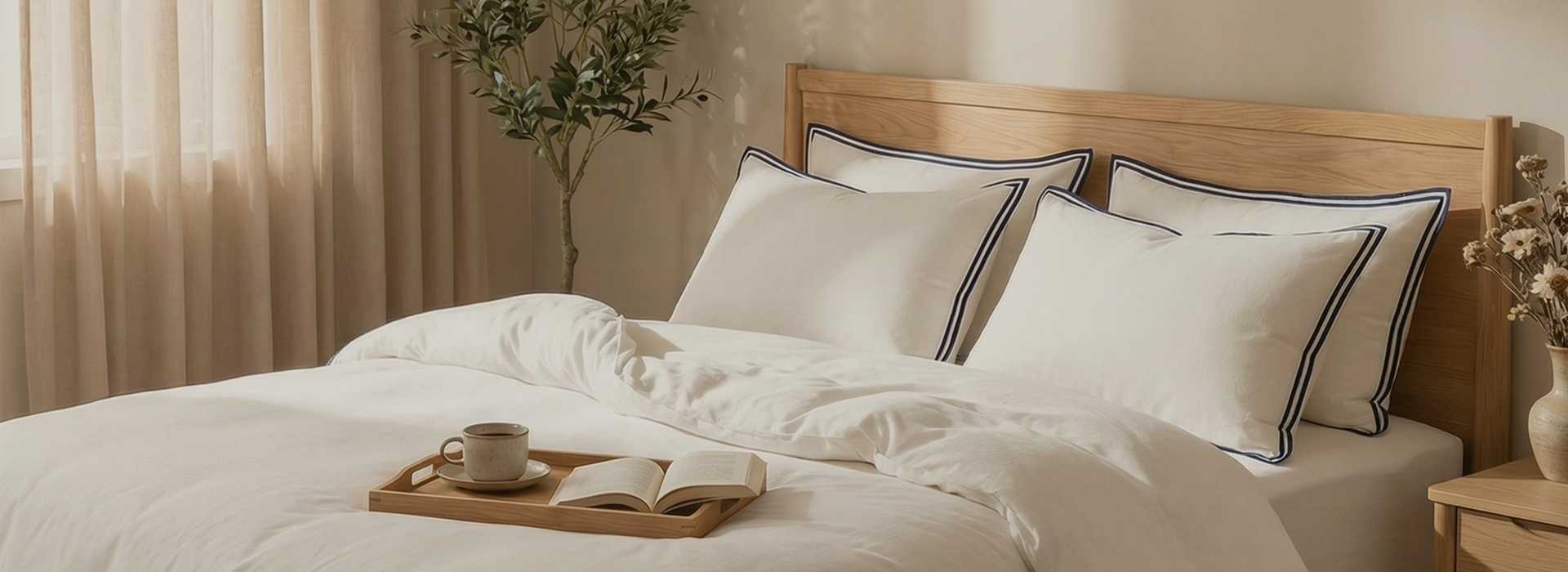
Oct 18, 2026
The Complete Guide to Choosing the Best Bedroom Bedding for Your Bedroom
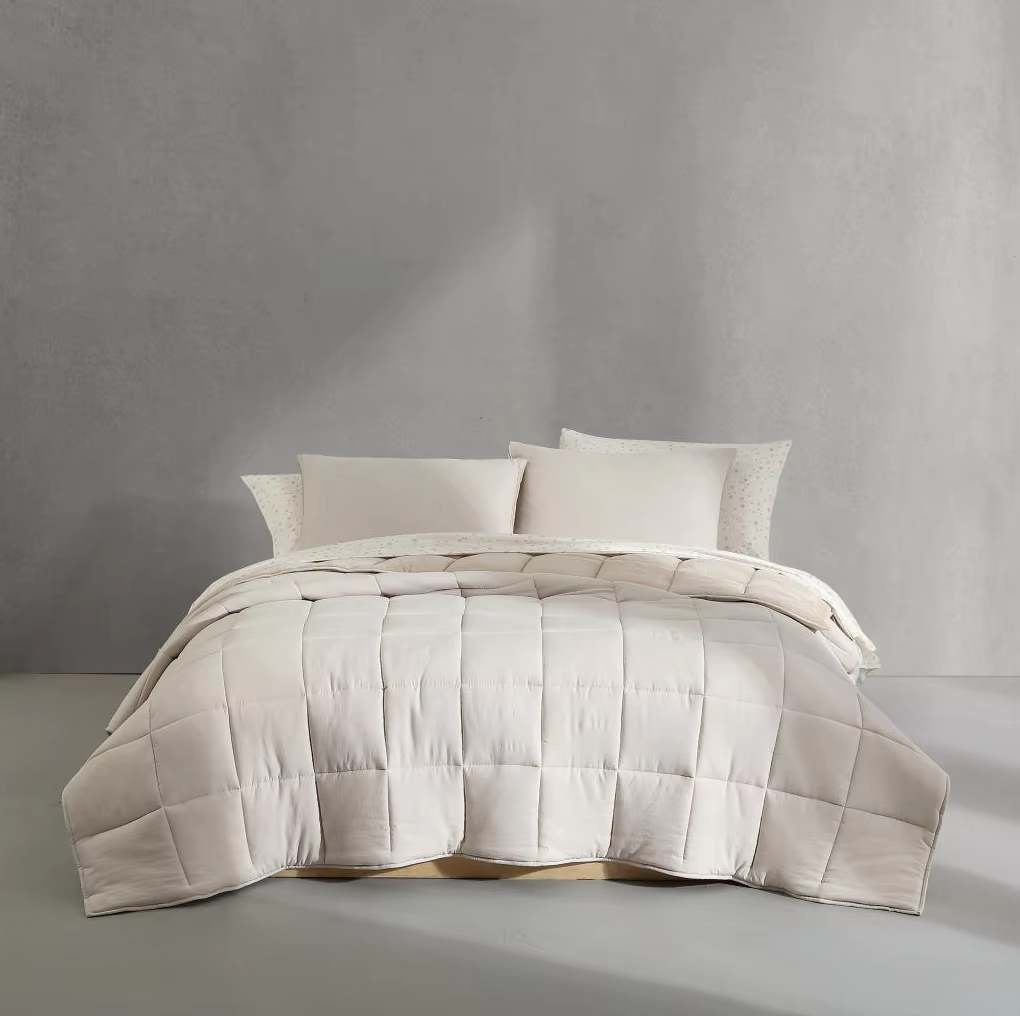
Oct 15, 2026
How to Style Your Bed Sham for a Modern and Elegant Look
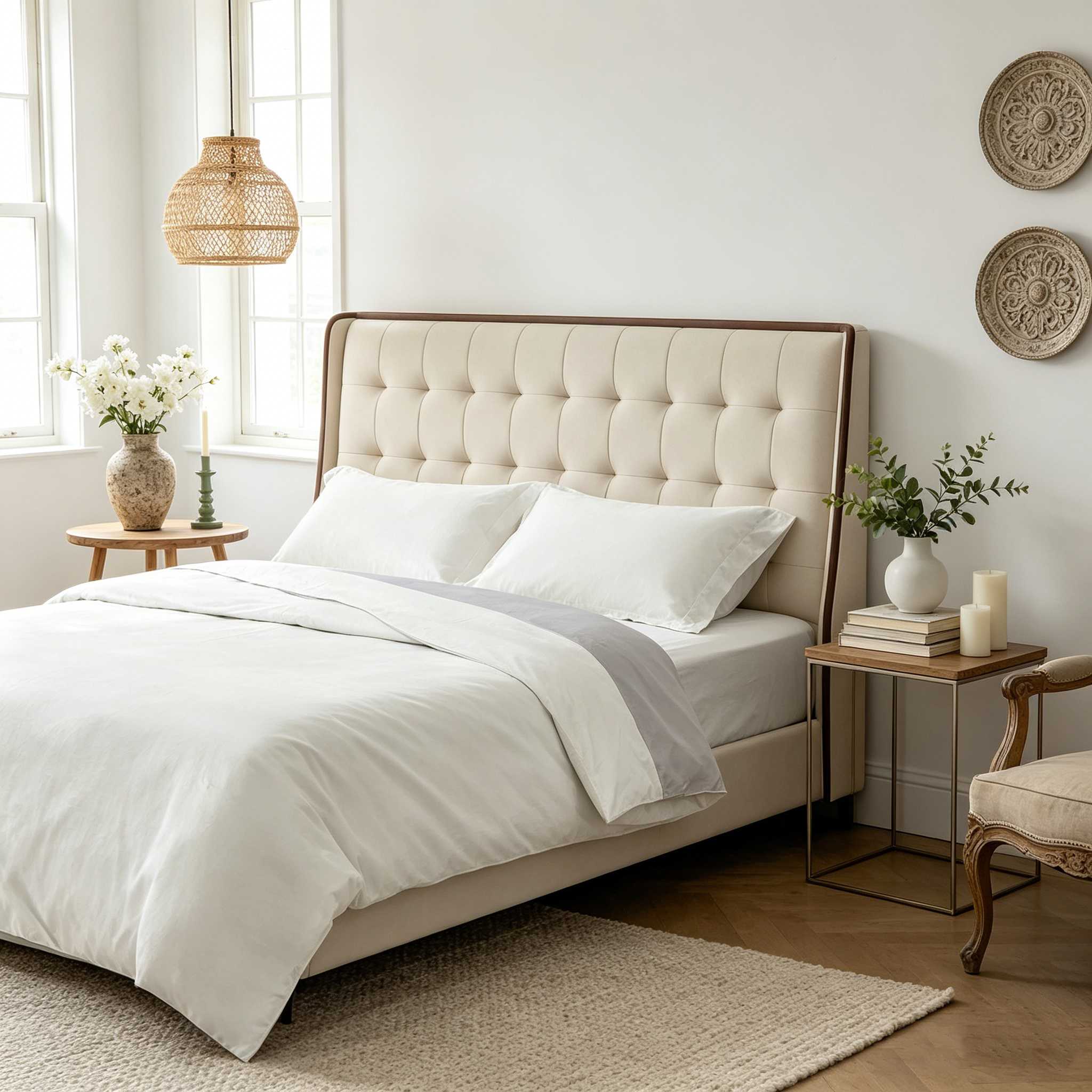
Oct 09, 2026
The Complete Guide to Choosing the Best Bamboo Bedding Set for Your Bedroom
Sep 26, 2026